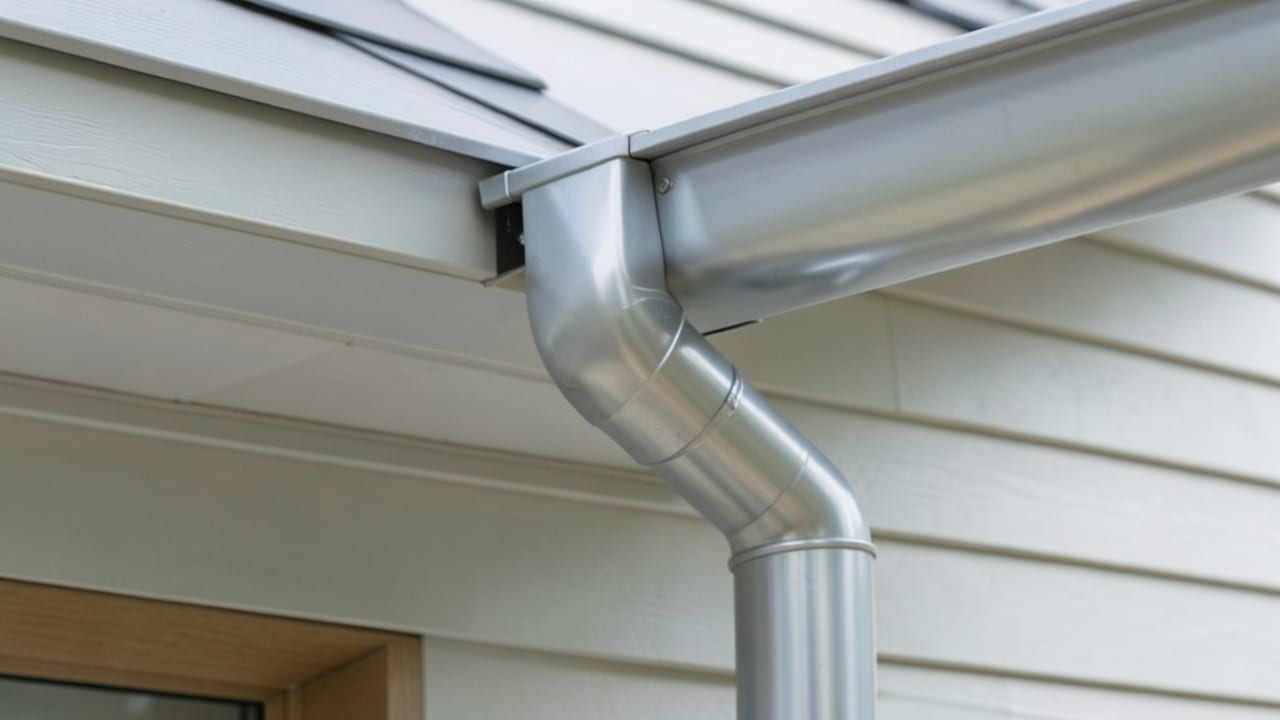
Downspout Cleaning
Clearing clogged downspouts to ensure proper drainage and prevent water damage.
Downspout cleaning in Johns Creek removes debris like leaves, twigs, and sediment that block gutters and downspouts, preventing water overflow that can damage roofs, siding, and foundations.
This service ensures rainwater flows freely away from your home, protecting its structure and landscaping while addressing common issues like algae buildup and clogs that worsen over time.
We also handle Roof Washing (Soft Wash) and Deck & Fence Cleaning for Johns Creek properties.
When downspout cleaning is needed
Downspouts clogged with debris force water to overflow, which can erode soil around your foundation, damage siding, or create entry points for pests. Look for water stains or pooling near the base of your home, especially after heavy rain.
Cobwebs, dirt, and insect debris collecting in corners or under eaves are early signs that gutters and downspouts need attention.
Algae or mildew growth—visible as green or black streaking—often appears on shaded or north-facing sections of your home. If you notice water backing up into your gutters during rainstorms or see sediment collecting at the bottom of downspouts, these are clear indicators that cleaning is needed.
Ignoring these signs can lead to more extensive (and costly) repairs down the line.
Signs Your Downspouts Need Cleaning
- Water overflowing from gutters or pooling near the foundation after rain
- Visible algae or mildew streaking (green/black) on siding, especially in shaded areas
- Debris (leaves, twigs, sediment) visible at the bottom of downspouts or in gutters
- Water stains or erosion on siding, brick, or landscaping near downspouts
- Cobwebs, dirt, or insect debris accumulating in corners or under eaves
How downspout cleaning protects your home
Clean downspouts direct rainwater away from your home’s foundation, reducing the risk of water damage, basement leaks, or soil erosion. Proper flow also prevents ice dams in winter and extends the lifespan of your gutters and roofing.
Surface and plant protection are critical during cleaning—landscaping near the foundation is wetted down, and fixtures are bagged to prevent detergent runoff or overspray from damaging nearby plants or siding.
The cleaning process uses a detergent pre-treatment tailored to your home’s materials (vinyl, wood, stucco, or fiber cement) to break down algae and mildew chemically.
This is followed by a soft-wash rinse at low pressure (under 500 psi) to avoid forcing water behind siding seams, which can cause hidden mold or rot. Spot treatment addresses stubborn stains without risking damage to the surface.
What affects pricing and timing
Pricing for downspout cleaning depends on the number of downspouts, their height, and the severity of the clog. Multi-story homes or those with multiple downspouts may require additional time and equipment.
Accessibility—such as downspouts near trees or obstructed by landscaping—can also impact cost, as specialized tools or extra labor may be needed.
The timing of cleaning can influence how quickly your home returns to normal. Heavy algae or mildew buildup may require additional spot treatment, while minor clogs can be resolved in under an hour.
Scheduling during dry weather ensures the area dries quickly, reducing the risk of water damage to landscaping or siding.
| Factor | Impact on Pricing/Timing |
|---|---|
| Number of downspouts | More downspouts = higher labor and time |
| Height of downspouts | Taller downspouts may require ladders or lifts |
| Severity of clog | Heavy debris = longer cleaning time |
| Accessibility | Obstructed downspouts add labor costs |
| Material of downspouts | Rust or corrosion may require extra cleaning |
How downspout cleaning works
This service follows a structured process to safely clear clogs and protect your home’s surfaces.
- 1Preparation and Protection
Landscaping near the foundation is wetted down and covered, and any exterior outlets or fixtures are bagged. This prevents detergent runoff or overspray from damaging plants or siding during cleaning.
- 2Detergent Pre-Treatment
A cleaning solution formulated for your siding material (vinyl, wood, stucco, or fiber cement) is applied at low pressure and left to dwell. This chemically breaks down algae and mildew without relying on high pressure.
- 3Soft-Wash Rinse
The siding and downspouts are rinsed using low pressure (under 500 psi) through a wide-fan tip, working top to bottom in overlapping passes. This ensures an even clean without forcing water behind siding seams.
- 4Spot Treatment and Final Rinse
Areas with heavy algae or mildew receive a second, more concentrated pass. A clear-water final rinse removes all detergent residue, and the finished surface is inspected in daylight for missed spots or damage.
Frequently asked questions
How often should downspouts be cleaned?
Downspouts should typically be cleaned once or twice a year, especially before heavy rain seasons. If your home has overhanging trees or frequent storms, more frequent cleaning may be needed to prevent clogs and water damage.
Will downspout cleaning damage my siding or gutters?
When done properly, downspout cleaning uses low-pressure techniques and detergents safe for most siding materials. However, improper pressure or methods can cause damage, which is why a qualified service follows material-specific guidelines.
Can I clean my downspouts myself, or should I hire a professional?
While minor clogs can sometimes be cleared with a plumber’s snake or hose, professional cleaning ensures thorough removal of debris and prevents damage to your gutters or siding. Professionals also have the right equipment and detergents for a safe, effective clean.
What should I do if water is still overflowing after cleaning?
If overflow continues, check for additional clogs in gutters or downspouts, or inspect for proper slope in the gutters. Persistent issues may indicate a need for gutter repairs or adjustments to ensure water flows freely away from your home.
Where Johns Creek sits, and what the Census lists nearby
Johns Creek sits in Georgia, and the closest places listed in the U.S. Census Gazetteer are Berkeley Lake (3.7 miles south), Duluth (3.7 miles southeast), Alpharetta (4.7 miles northwest), Peachtree Corners (4.8 miles south).
Within 25 miles of Johns Creek the same source lists 58 distinct incorporated places and census-designated places.
Those figures matter for downspout cleaning because they are straight-line distances between Census coordinate points: road mileage between Johns Creek and Berkeley Lake runs longer than the 3.7 miles shown, which is why quotes for the same job differ between towns that look close together on a map.
Source: U.S. Census Bureau Gazetteer.
See Dacula, GA for more, or explore what we cover for Johns Creek properties by category for our complete lineup.
Ready to get started?
Talk to a local pressure washing pro in Johns Creek — get a written quote.
Other Pressure Washing Services in Johns Creek
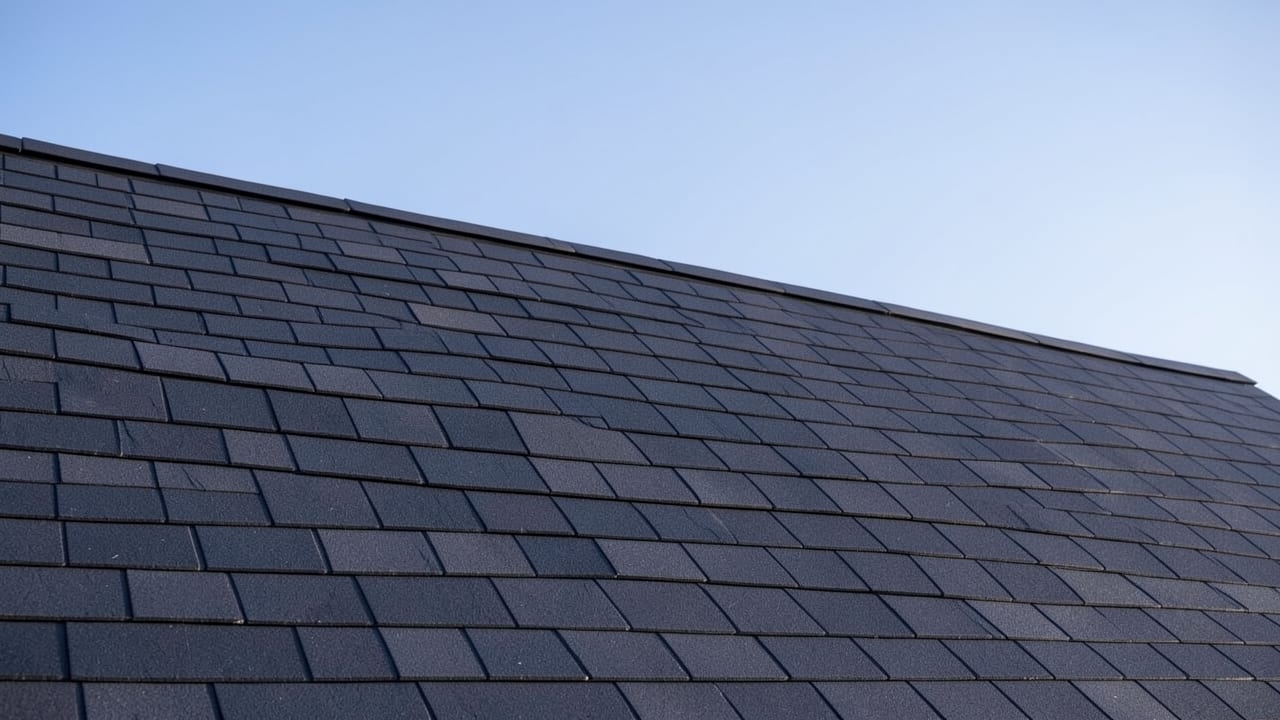
Roof Washing (Soft Wash) in Johns Creek, GA
Low-pressure soft-wash roof cleaning in Johns Creek, GA removes algae streaks without damaging shingles.
Learn More
Deck & Fence Cleaning in Johns Creek, GA
Wood and composite deck and fence cleaning in Johns Creek, GA — restores surfaces before staining or sealing.
Learn More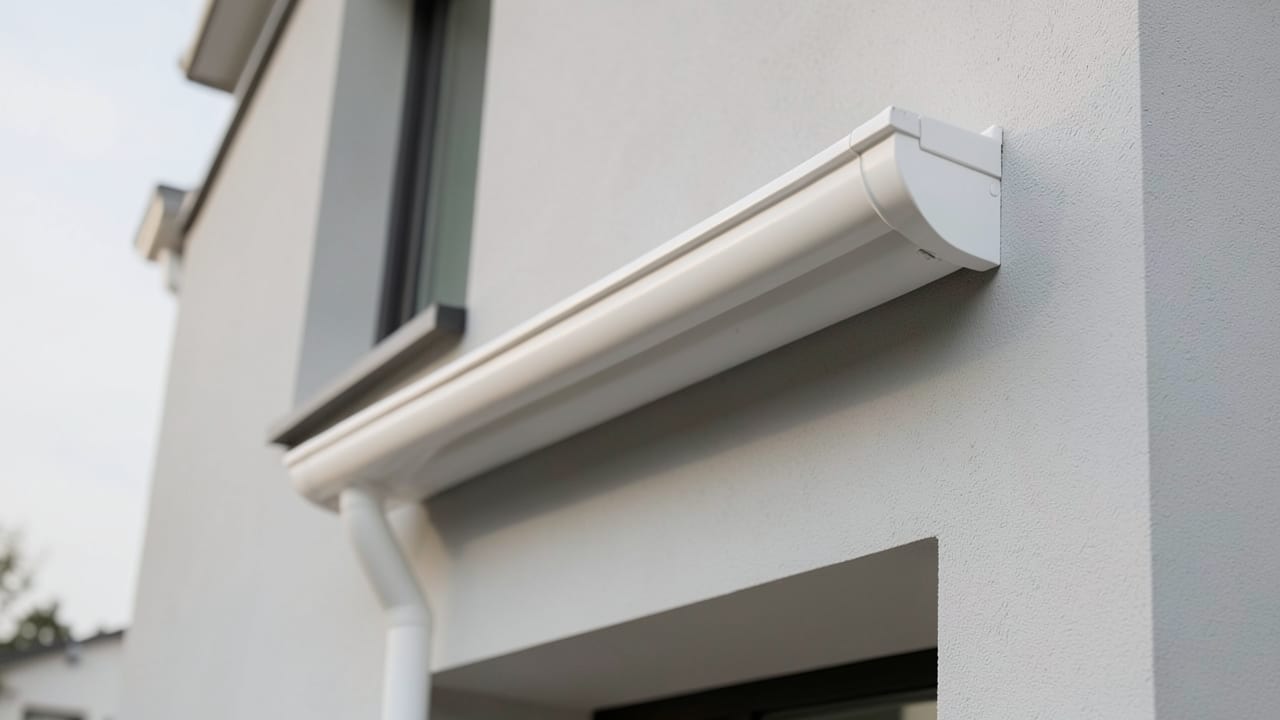
Gutter Cleaning in Johns Creek, GA
Gutter and downspout cleaning in Johns Creek, GA to clear leaf buildup and keep water flowing away from the foundation.
Learn More
Window Cleaning in Johns Creek, GA
Exterior window and window-frame cleaning in Johns Creek, GA, often bundled with a full house wash.
Learn More
Commercial Pressure Washing in Johns Creek, GA
Pressure washing for storefronts, parking lots, and commercial properties in Johns Creek, GA.
Learn More
Graffiti Removal in Johns Creek, GA
Graffiti removal from exterior walls and surfaces in Johns Creek, GA.
Learn MoreCommon Questions About Pressure Washing in Johns Creek
Everything you need to know about pressure washing services in Johns Creek
How much does Downspout Cleaning typically cost in Johns Creek, GA?
Why does algae and mildew growth on homes in Johns Creek, GA come back so quickly?
Can pressure washing strip paint or an existing sealant off a surface?
Is renting a pressure washer and doing the job at home a reasonable option?
How long does washing a typical house exterior take?
Can pressure washing damage concrete, pavers, or mortar joints?
Need Pressure Washing in Johns Creek?
Get a written quote from our Johns Creek crew.
⏰ We answer your call • Serving all of Johns Creek and surrounding areas