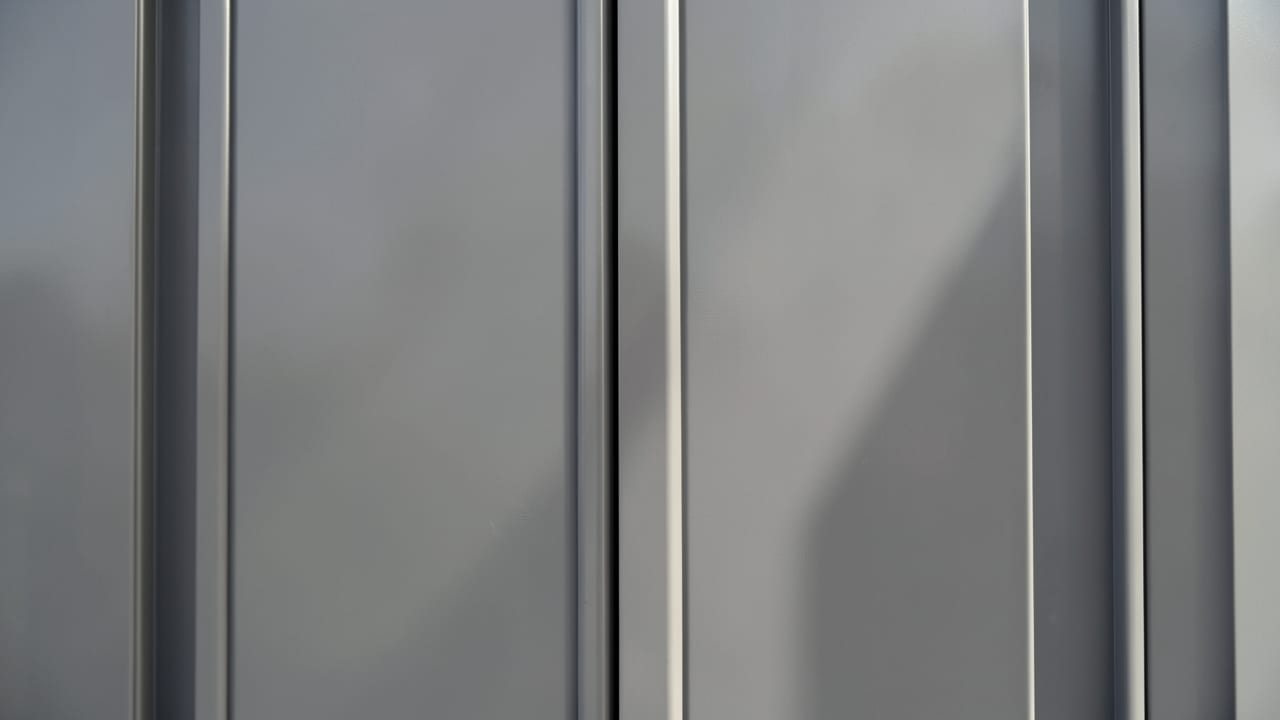
Rust Removal
Professional pressure washing to remove rust stains from driveways, sidewalks, and exterior surfaces.
Rust removal in Johns Creek, GA, targets unsightly stains on metal surfaces like driveways, furniture, and siding caused by oxidation or moisture exposure. Using high-pressure techniques and targeted cleaning solutions, this service restores appearance and prevents further deterioration, tailored to the unique climate and material conditions of the area.
When rust removal is needed
Rust stains often appear as brown or orange discoloration on metal surfaces, spreading gradually over time. These stains are most common on driveways, metal furniture, and siding exposed to moisture or shade. Unlike dirt, rust doesn’t wash off with standard cleaning methods and requires targeted pressure and chemical treatment.
We also handle Graffiti Removal and Solar Panel Cleaning for Johns Creek properties.
Homeowners in Johns Creek should check for signs like green or black streaking on siding (algae or mildew) or a chalky residue when running a hand across the surface (oxidation). These indicate buildup that pressure washing can address before it worsens.
Rust removal is especially effective when combined with preventive measures, like trimming vegetation away from siding to reduce moisture exposure.
Signs Rust Removal May Be Needed
- Brown or orange streaks on metal surfaces (driveways, railings, furniture)
- Green/black streaking on siding (algae or mildew buildup, often on shaded sides)
- Chalky residue when touching siding or metal (oxidation or accumulated grime)
- Cobwebs or debris collecting in corners, under eaves, or around light fixtures
- Uneven streaking or 'zebra striping' after previous cleaning attempts
What affects rust removal results
The effectiveness of rust removal depends on surface material, existing damage, and environmental factors. For example, vinyl siding requires lower pressure than concrete to avoid cracking or stripping the finish. Pre-treatment with the right detergent—formulated for the specific material—helps break down stains chemically before pressure is applied.
Local climate plays a role too. Johns Creek’s humidity and occasional rain can accelerate rust formation, while shaded or north-facing sections of a home may need more frequent attention. Preventive steps, like sealing treated surfaces or adjusting sprinklers away from siding, can extend the time between cleanings.
Preparation and protection
Before any pressure washing begins, landscaping near the foundation is wetted and covered to protect plants from chemical runoff. Outlets, fixtures, and delicate surfaces are bagged or shielded. This step is critical—overspray and detergent residue are more likely to cause complaints than the washing itself.
The cleaning process starts with a low-pressure application of a detergent tailored to the surface material. This pre-treatment chemically breaks down stains, algae, and mildew, making them easier to rinse away without damaging the material. Skipping this step can lead to uneven cleaning or streaking.
| Surface Type | Recommended Pressure (PSI) | Key Consideration |
|---|---|---|
| Vinyl Siding | ≤500 | Avoids cracking seams or stripping finish |
| Wood Siding | ≤1,200 | Prevents splintering or water absorption |
| Stucco | ≤800 | Risk of cracking if pressure is too high |
| Concrete/Driveway | 1,500–4,000 | Higher pressure for embedded rust |
| Metal Furniture | ≤1,500 | Avoids warping or paint damage |
How rust removal works
This process combines targeted chemical treatment and controlled pressure to safely remove rust and stains.
- 1Surface Inspection
The technician assesses the material type and extent of rust or staining to determine the appropriate detergent and pressure settings.
- 2Pre-Treatment Application
A low-pressure detergent formulated for the surface is applied to break down stains chemically, left to dwell, and then rinsed off gently.
- 3Controlled Pressure Washing
Using a wide-fan tip at consistent speed, the technician removes remaining stains without forcing water behind siding or into seams.
- 4Spot Treatment
Areas with heavy staining receive a second, more concentrated pass rather than increased pressure, which can damage the surface.
- 5Final Rinse and Inspection
A clear-water rinse removes all detergent, and the surface is checked for missed spots or damage before completion.
Frequently asked questions
How do I know if my siding or driveway needs rust removal?
Look for brown/orange streaks (rust), green/black streaking (algae), or a chalky residue when touching the surface. Cobwebs or debris in corners are also early signs of buildup.
Will pressure washing damage my siding or metal furniture?
When done correctly with the right pressure and detergent, it won’t. However, using improper pressure—especially on vinyl or stucco—can crack seams or strip finishes.
How often should I have rust removal done?
This varies by exposure—shaded or north-facing sections may need attention every 1–3 years, while driveways or metal furniture might require it annually if heavily used.
Can I do rust removal myself, or should I hire a professional?
DIY kits exist, but professionals use specialized equipment and detergents to avoid damage. Mistakes like wrong pressure or chemical runoff can worsen issues.
Where Johns Creek sits, and what the Census lists nearby
Johns Creek sits in Georgia, and the closest places listed in the U.S. Census Gazetteer are Berkeley Lake (3.7 miles south), Duluth (3.7 miles southeast), Alpharetta (4.7 miles northwest), Peachtree Corners (4.8 miles south).
Within 25 miles of Johns Creek the same source lists 58 distinct incorporated places and census-designated places.
Those figures matter for rust removal because they are straight-line distances between Census coordinate points: road mileage between Johns Creek and Berkeley Lake runs longer than the 3.7 miles shown, which is why quotes for the same job differ between towns that look close together on a map.
Source: U.S. Census Bureau Gazetteer.
See Suwanee, GA for more, or take a look at what we cover for Johns Creek properties on a single page for our complete lineup.
Ready to get started?
Talk to a local pressure washing pro in Johns Creek — get a written quote.
Other Pressure Washing Services in Johns Creek
Graffiti Removal in Johns Creek, GA
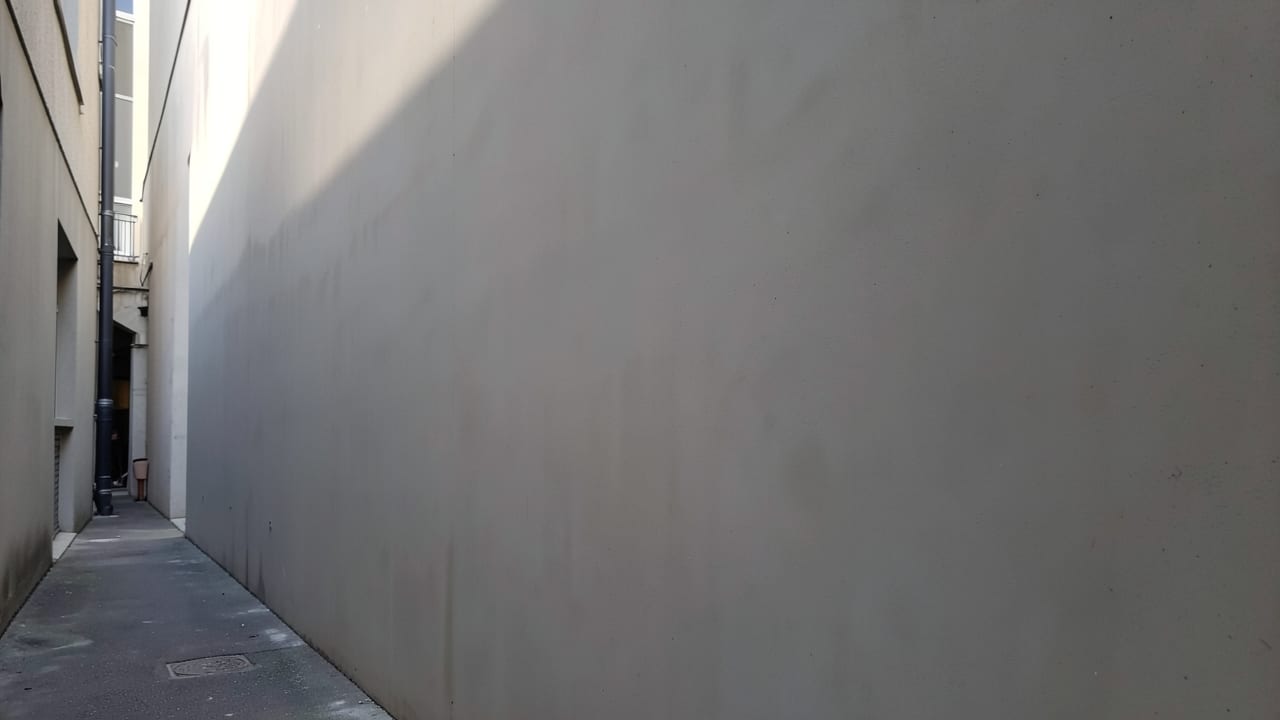
Graffiti removal from exterior walls and surfaces in Johns Creek, GA.
Learn More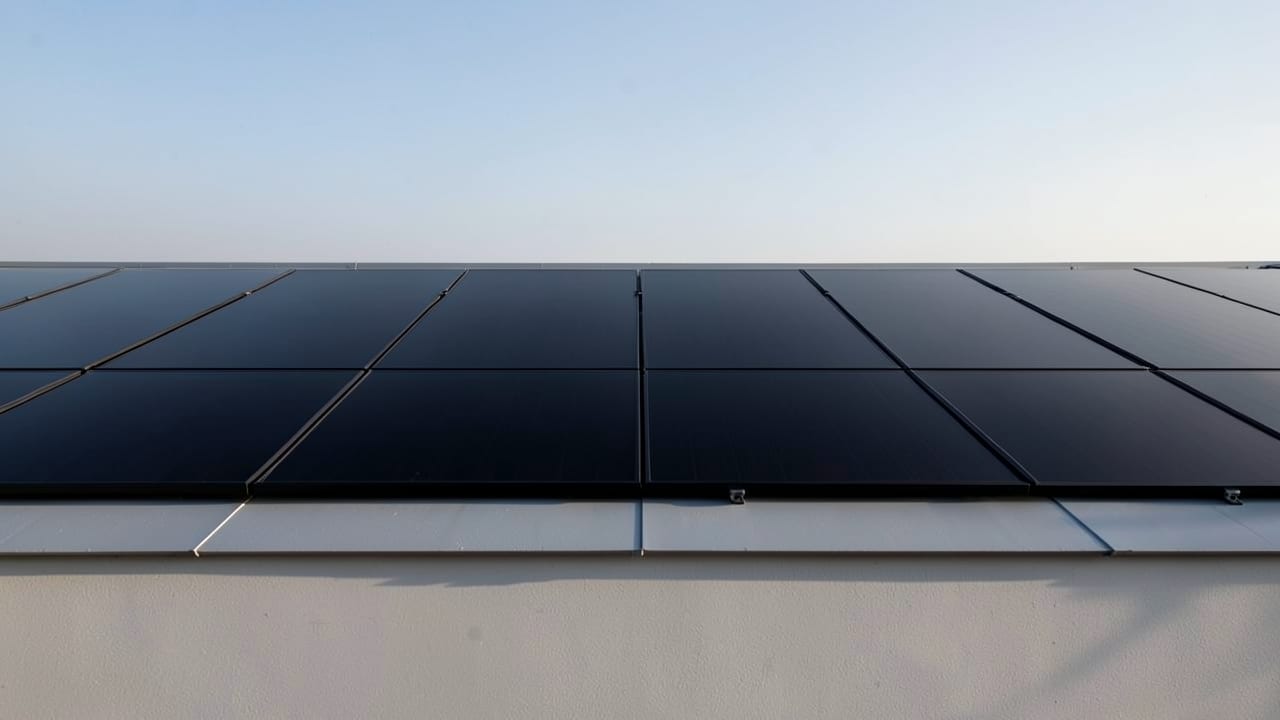
Solar Panel Cleaning in Johns Creek, GA
Solar panel cleaning in Johns Creek, GA — low-pressure, purified-water rinse that restores panel output without scratching the glass.
Learn More
Fleet Washing in Johns Creek, GA
Mobile fleet washing for commercial vehicles in Johns Creek, GA — on-site cleaning for work trucks and vans.
Learn More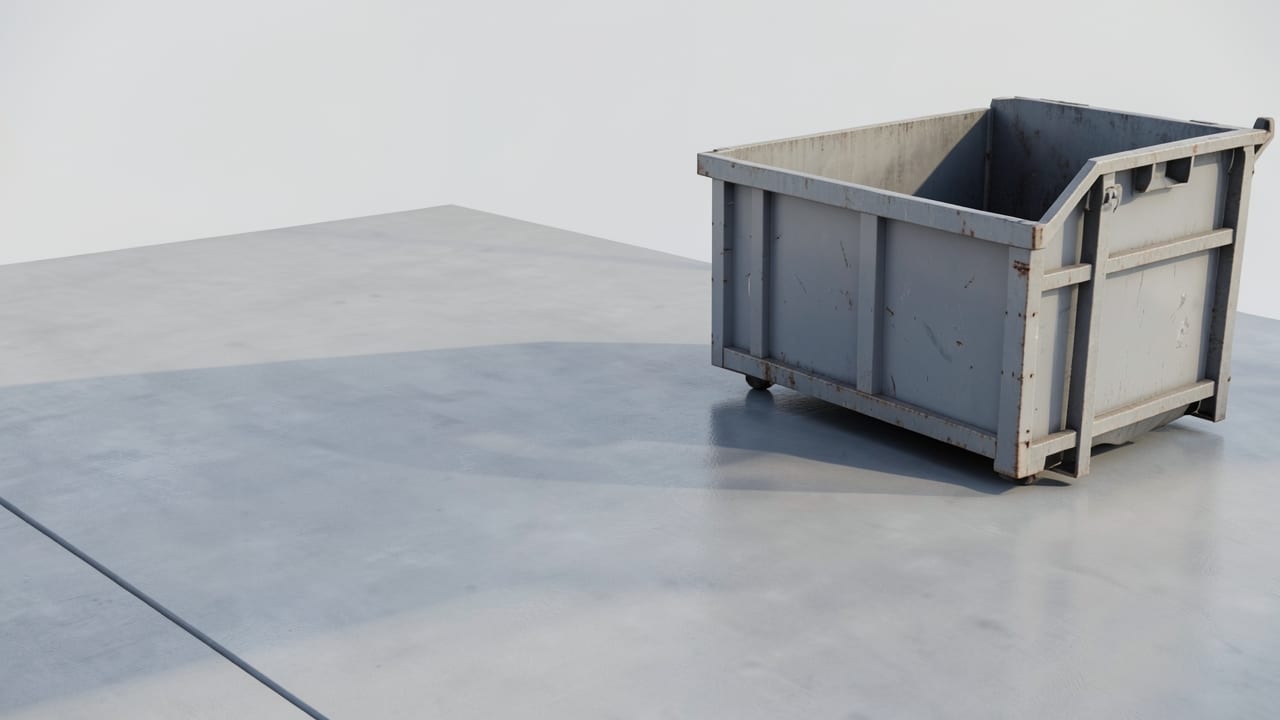
Dumpster Pad Cleaning in Johns Creek, GA
Commercial dumpster pad cleaning in Johns Creek, GA — hot-water sanitizing for grease, odor, and staining.
Learn More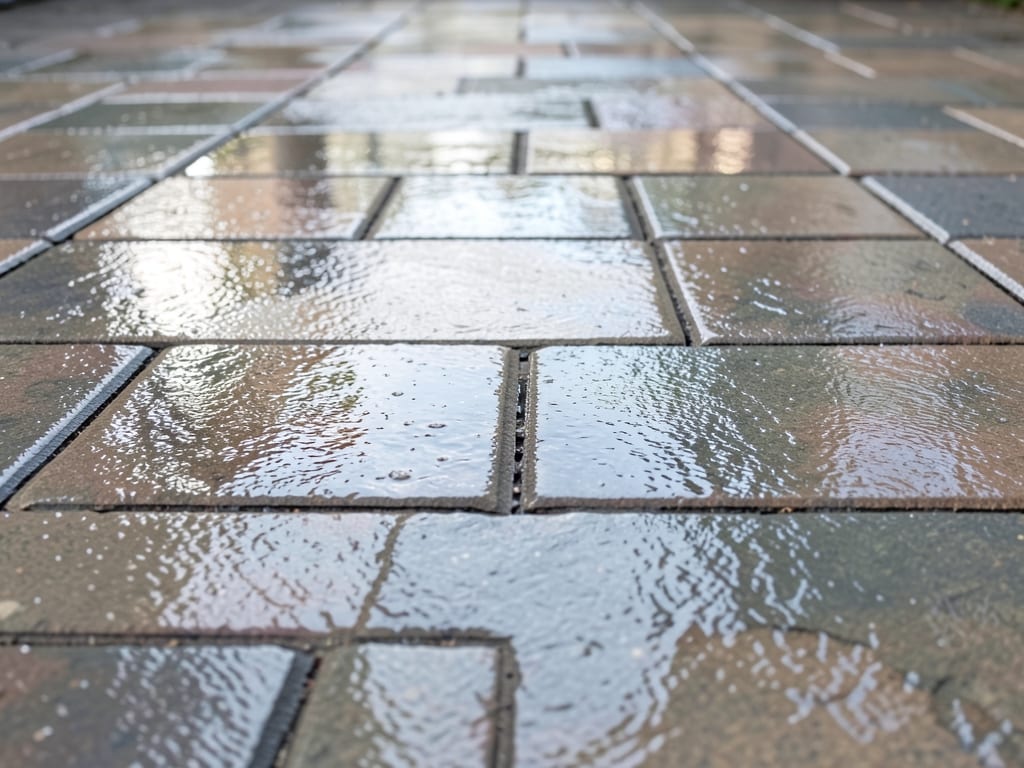
Paver Sealing in Johns Creek, GA
Paver sealing in Johns Creek, GA — a protective, wet-look finish applied after cleaning to lock in color and block stains.
Learn More
Awning & Canopy Cleaning in Johns Creek, GA
Awning and canopy cleaning in Johns Creek, GA — fabric-safe, low-pressure cleaning for storefront and residential awnings.
Learn MoreCommon Questions About Pressure Washing in Johns Creek
Everything you need to know about pressure washing services in Johns Creek
How much does Rust Removal typically cost in Johns Creek, GA?
Why does algae and mildew growth on homes in Johns Creek, GA come back so quickly?
How long does washing a typical house exterior take?
Can pressure washing damage concrete, pavers, or mortar joints?
What are the actual named steps in a professional pressure washing job?
Can the wrong PSI actually damage a house or driveway?
Need Pressure Washing in Johns Creek?
Get a written quote from our Johns Creek crew.
⏰ We answer your call • Serving all of Johns Creek and surrounding areas