
Glass Railing Cleaning
High-pressure cleaning to remove dirt, grime, and water spots from glass railings.
Glass railing cleaning in Johns Creek, GA, restores clarity and safety to your outdoor and indoor glass barriers using pressure washing techniques. This service eliminates streaks, mineral deposits, and environmental buildup without harsh scrubbing, enhancing the appearance of your home’s glass railings while ensuring a spotless finish.
When to consider glass railing cleaning
Glass railings often accumulate streaks, mineral deposits, and environmental grime over time, reducing their clarity and aesthetic appeal. If your railings appear cloudy, streaked, or have visible buildup, it’s time for a deep clean.
We also handle Storefront Cleaning and Playground Equipment Cleaning for Johns Creek properties.
Johns Creek’s climate, with its mix of humidity and occasional hard water, can accelerate these issues, making regular maintenance essential.
Check for signs like green or black streaking on shaded sides of railings, which often indicates algae or mildew growth. Running a hand across the surface and feeling a chalky residue suggests oxidation or grime buildup.
If cobwebs, dirt, or insect debris collect in corners or around fixtures, it’s another sign that a thorough cleaning is needed.
Signs Your Glass Railings Need Cleaning
- Streaks or cloudiness that don’t wipe away easily
- Green or black streaking on shaded or less sun-exposed sections
- Chalky residue felt when running a hand across the surface
- Visible buildup of cobwebs, dirt, or insect debris in corners or around fixtures
- Water spots or mineral deposits that affect transparency
What affects the cleaning process?
The method used for cleaning glass railings depends on the type of buildup and the material’s sensitivity. Pressure washing is effective for removing tough deposits, but the technique varies based on factors like the railing’s location (indoor vs. outdoor), exposure to elements, and existing damage.
Outdoor railings exposed to rain, humidity, or hard water may require more frequent attention than indoor ones.
Pre-treatment with a specialized cleaning solution helps break down algae, mildew, and mineral deposits before pressure washing. This step is critical to avoid damaging the glass or leaving streaks. The process also includes protecting nearby surfaces, such as plants and landscaping, from overspray or chemical runoff.
Protecting your home during cleaning
Before cleaning begins, landscaping near the railings is wetted down and covered to prevent damage from overspray or chemical runoff. Exterior outlets, fixtures, and sensitive plants are also protected.
This step minimizes the risk of complaints or unintended damage, ensuring a cleaner process for both the railings and the surrounding property.
The cleaning solution used is formulated specifically for glass and is applied at low pressure to avoid damaging the surface. A soft-wash rinse follows, working top to bottom in overlapping passes to ensure an even finish.
Spot treatment may be applied to areas with heavier buildup, using a more concentrated solution rather than increasing pressure.
Directing high-pressure water into seams or gaps in glass railings can force water behind the surface, leading to potential long-term issues. Always use a controlled, low-pressure technique to clean glass safely.
How glass railing cleaning works
A thorough cleaning process ensures your glass railings are restored to clarity without damage.
- 1Preparation and Protection
Nearby landscaping and surfaces are covered or protected to prevent overspray or chemical damage. This step ensures the cleaning process is safe for your property.
- 2Detergent Pre-Treatment
A specialized cleaning solution is applied at low pressure to break down algae, mildew, and mineral deposits. This step helps loosen buildup before pressure washing begins.
- 3Pressure Washing
Glass railings are cleaned using a controlled pressure wash (typically under 500 psi) with a wide-fan tip. The process works top to bottom in overlapping passes for an even finish.
- 4Spot Treatment and Final Rinse
Areas with heavier buildup receive a second, more concentrated pass. A clear-water rinse removes any remaining detergent, leaving the railings spotless and streak-free.
- 5Inspection
The cleaned railings are inspected in daylight for missed spots or damage. Any issues are addressed before the job is complete.
Frequently asked questions
How often should glass railings be cleaned?
Outdoor glass railings exposed to elements may need cleaning every 6–12 months, while indoor railings can go longer. Johns Creek’s climate can accelerate buildup, so inspecting them annually helps determine if cleaning is needed.
Will pressure washing damage the glass?
When done correctly, pressure washing at the right PSI (under 500 psi) and with proper technique won’t damage glass. Pre-treatment and controlled application further reduce the risk of scratches or cracks.
Can glass railings be cleaned without pressure washing?
For light buildup, manual cleaning with a glass cleaner and microfiber cloth may suffice. However, tough deposits like mineral stains or algae often require pressure washing for a thorough restoration.
What should I do to prepare for glass railing cleaning?
Remove any loose items near the railings, such as planters or decorations, and ensure pets and children are kept at a safe distance. The cleaning team will handle protection for landscaping and fixtures.
Where Johns Creek sits, and what the Census lists nearby
Johns Creek sits in Georgia, and the closest places listed in the U.S. Census Gazetteer are Berkeley Lake (3.7 miles south), Duluth (3.7 miles southeast), Alpharetta (4.7 miles northwest), Peachtree Corners (4.8 miles south).
Within 25 miles of Johns Creek the same source lists 58 distinct incorporated places and census-designated places.
Those figures matter for glass railing cleaning because they are straight-line distances between Census coordinate points: road mileage between Johns Creek and Berkeley Lake runs longer than the 3.7 miles shown, which is why quotes for the same job differ between towns that look close together on a map.
Source: U.S. Census Bureau Gazetteer.
See Sandy Springs, GA for more, or explore everything on offer in Johns Creek by category for our complete lineup.
Ready to get started?
Talk to a local pressure washing pro in Johns Creek — get a written quote.
Other Pressure Washing Services in Johns Creek
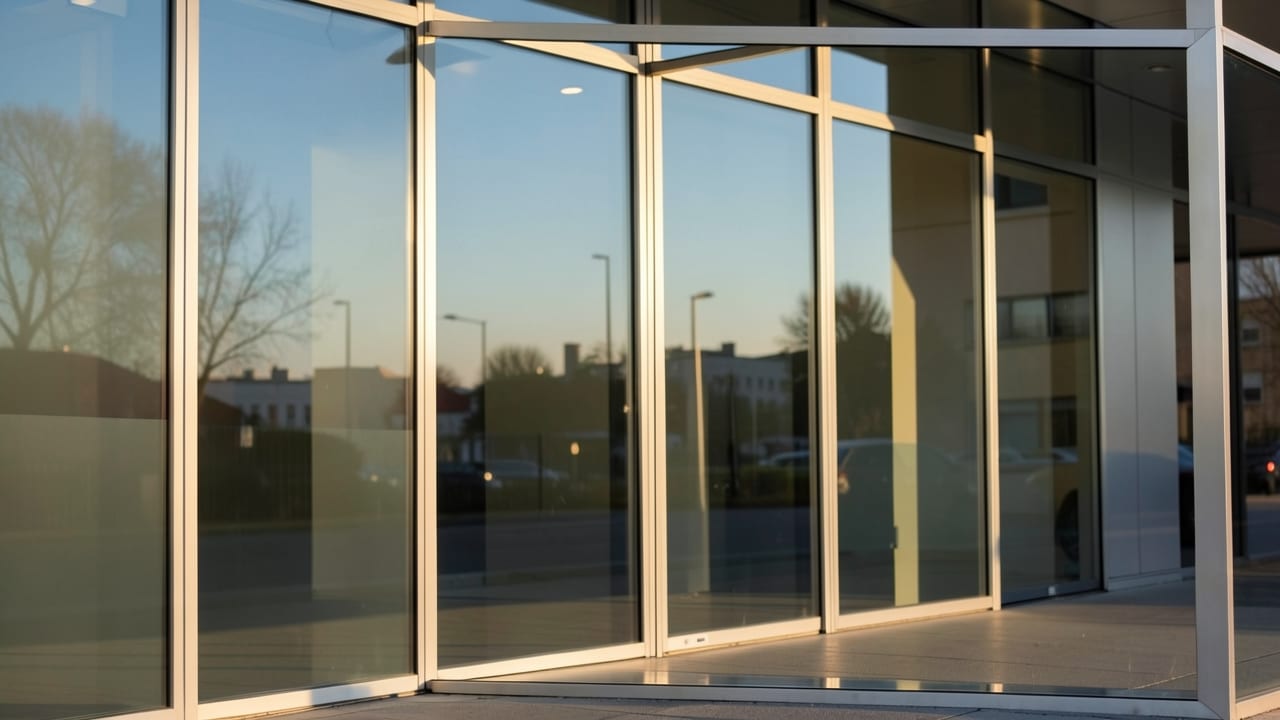
Storefront Cleaning in Johns Creek, GA
High-pressure washing to remove dirt, grime, and stains from storefront exteriors.
Learn More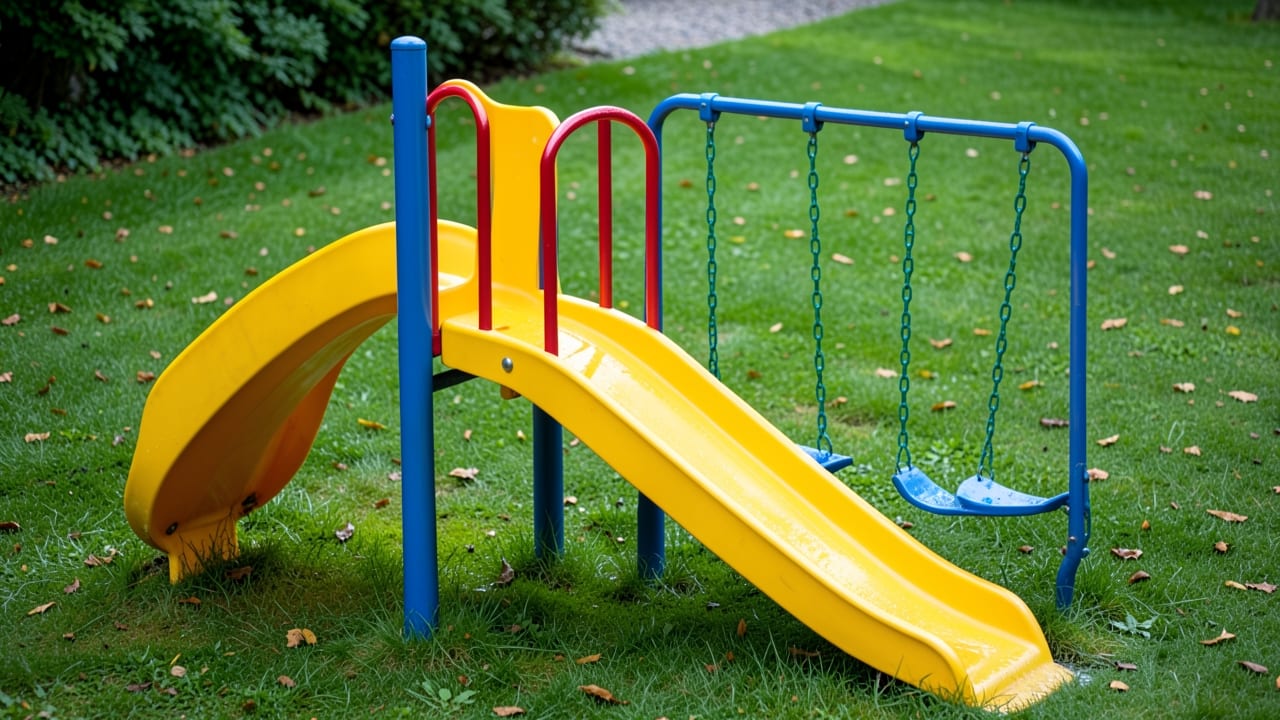
Playground Equipment Cleaning in Johns Creek, GA
Pressure washing to remove dirt, grime, and mold from playground equipment for safety and hygiene.
Learn More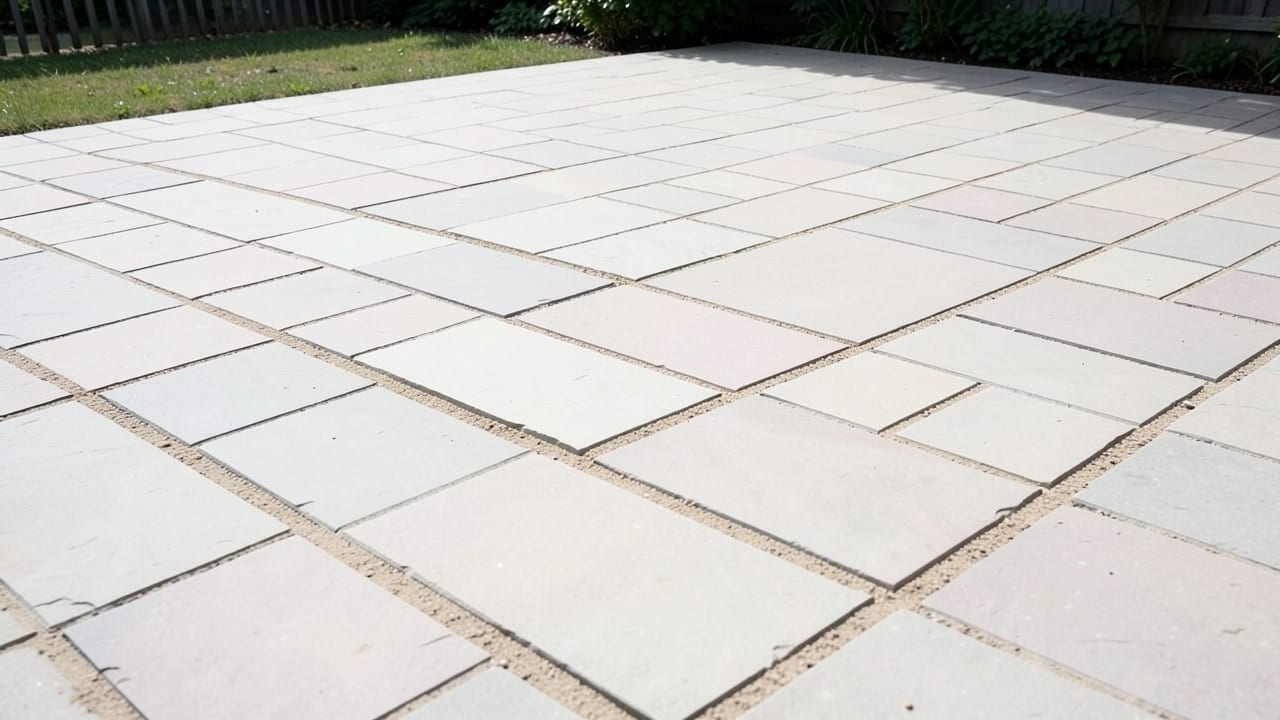
Stone Patios Cleaning in Johns Creek, GA
High-pressure washing to remove dirt, stains, and grime from stone patio surfaces.
Learn More
Vinyl Fence Cleaning in Johns Creek, GA
High-pressure cleaning to remove dirt, mold, and grime from vinyl fences, restoring their appearance.
Learn More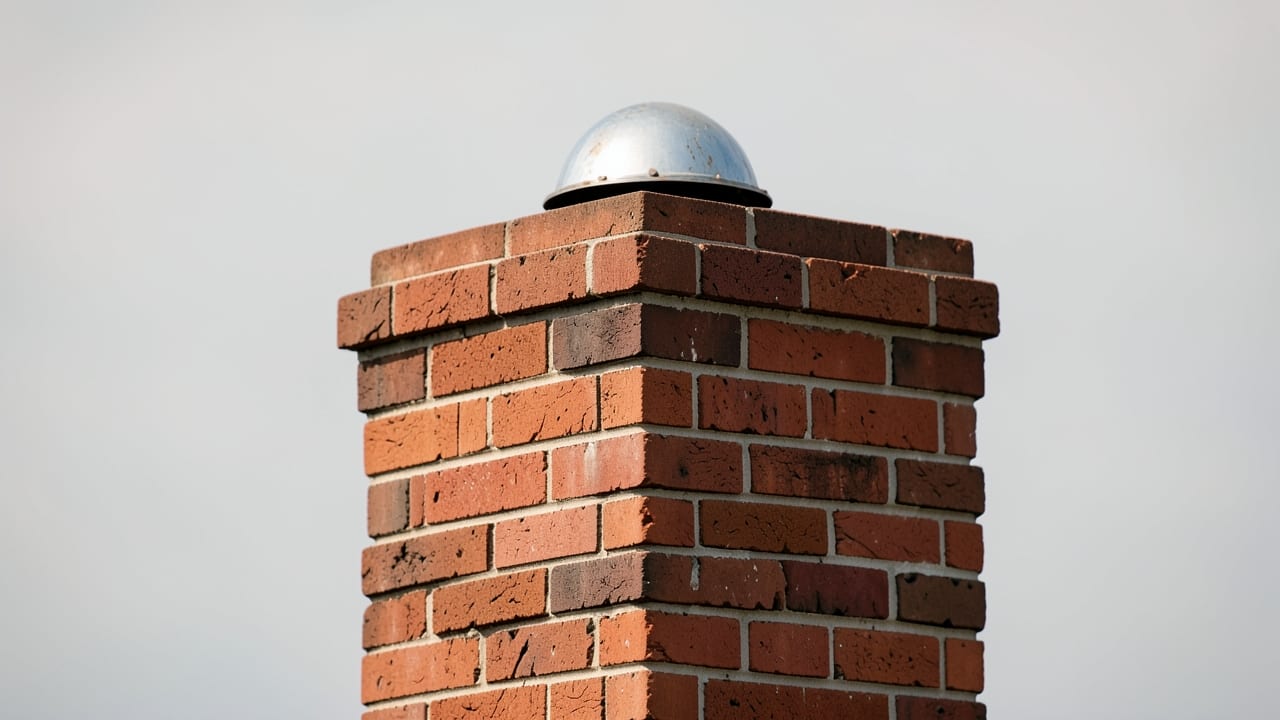
Chimney Exterior Cleaning in Johns Creek, GA
Pressure washing to remove soot, dirt, and stains from chimney exteriors.
Learn More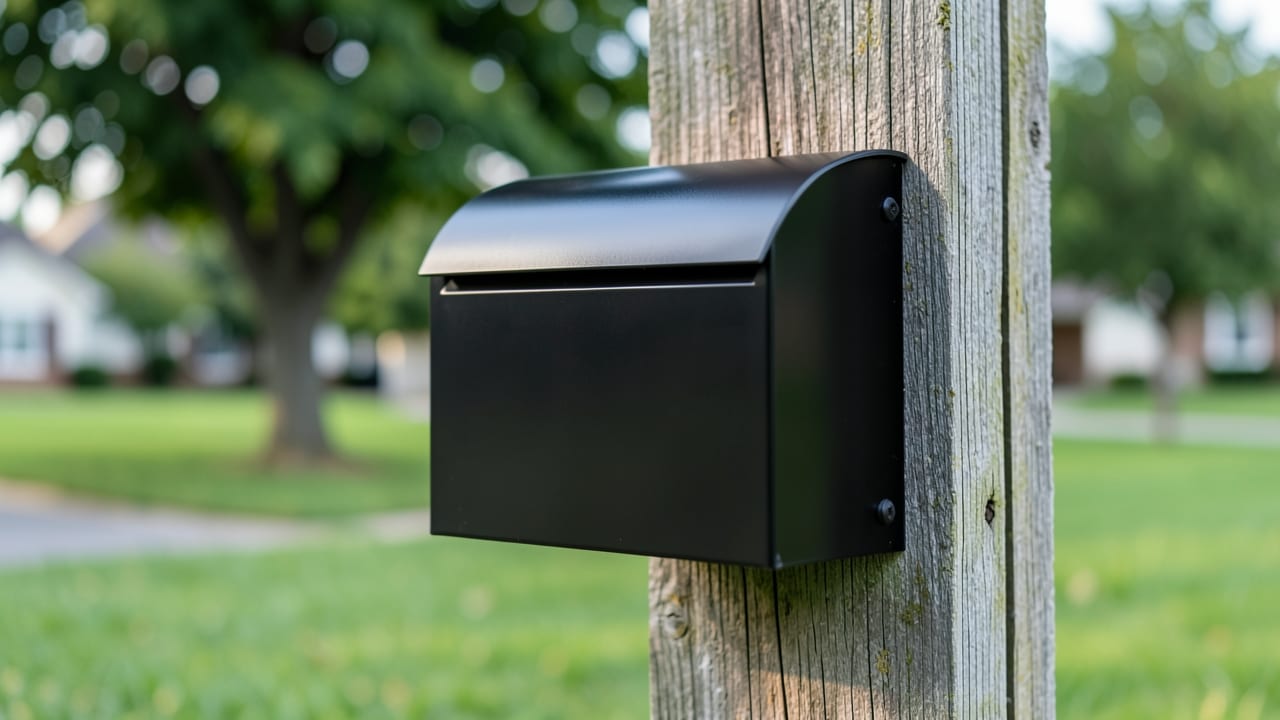
Mailbox Cleaning in Johns Creek, GA
Pressure washing to remove dirt, grime, and stains from mailboxes.
Learn MoreCommon Questions About Pressure Washing in Johns Creek
Everything you need to know about pressure washing services in Johns Creek
How much does Glass Railing Cleaning typically cost in Johns Creek, GA?
Why does algae and mildew growth on homes in Johns Creek, GA come back so quickly?
What are the actual named steps in a professional pressure washing job?
Can the wrong PSI actually damage a house or driveway?
What's the actual difference between pressure washing and soft washing?
How often should a home's exterior actually be washed?
Need Pressure Washing in Johns Creek?
Get a written quote from our Johns Creek crew.
⏰ We answer your call • Serving all of Johns Creek and surrounding areas