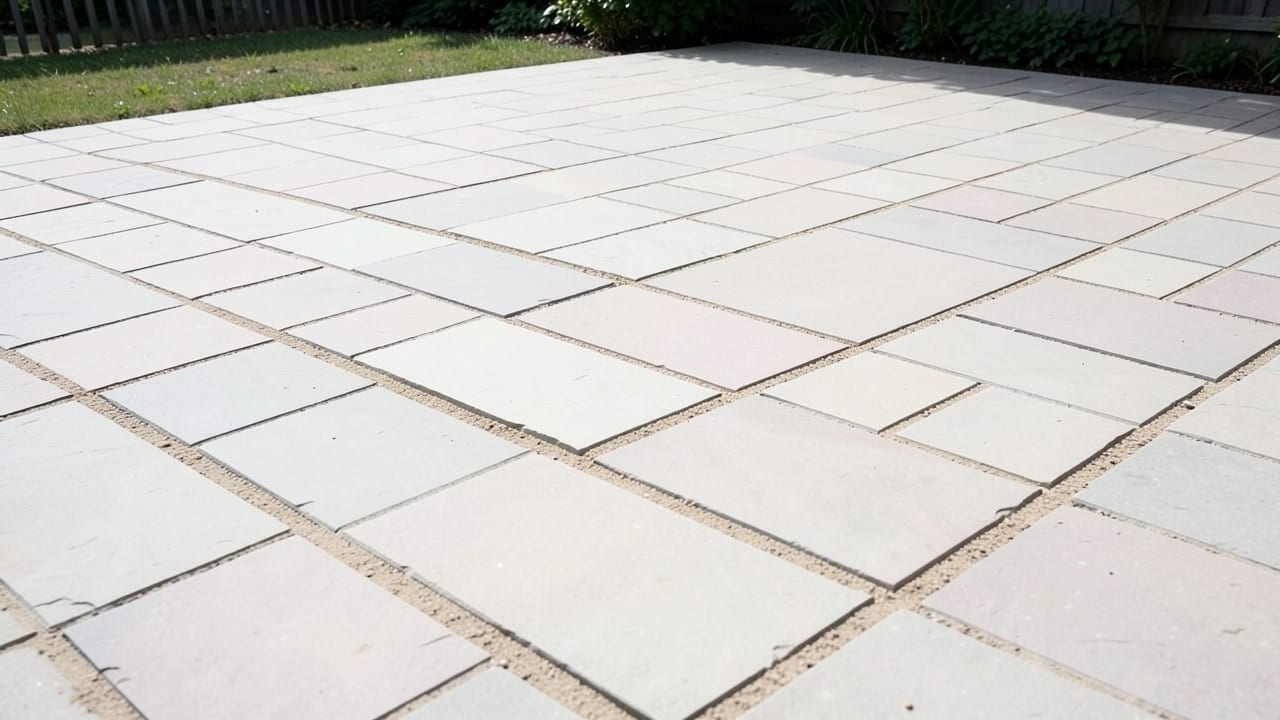
Stone Patios Cleaning
High-pressure washing to remove dirt, stains, and grime from stone patio surfaces.
In Johns Creek, GA, stone patios—whether flagstone, slate, or travertine—often accumulate dirt, algae, and mineral deposits over time. Pressure washing restores their natural beauty by safely removing grime without damaging the surface, while also checking mortar joints to prevent further erosion.
This process targets common issues like efflorescence and staining, ensuring your outdoor space looks refreshed and structurally sound.
We also handle Vinyl Fence Cleaning and Chimney Exterior Cleaning for Johns Creek properties.
When your stone patio needs cleaning
A stone patio that’s simply dirty can usually wait, but certain signs mean cleaning should be a priority. Algae or mildew appear as dark greenish or black films, often worse in shaded areas.
Efflorescence—a white, chalky haze—indicates mineral buildup from moisture, while recessed or crumbling mortar joints suggest erosion that could worsen with improper cleaning. Stains concentrated below downspouts or rooflines point to recurring water runoff.
Ignoring these issues can lead to deeper damage. Algae and mildew weaken the stone over time, while efflorescence hides underlying moisture problems. Recessed mortar absorbs more water, accelerating further deterioration. Addressing these early helps your patio last longer and avoids costly repairs down the road.
Signs Your Stone Patio Needs Cleaning
- Dark greenish or black patches (algae/mildew) worse in shaded areas
- White, chalky haze (efflorescence) on the surface
- Mortar joints that look recessed or crumble slightly under touch
- Stains concentrated directly below downspouts or rooflines
- Visible dirt buildup that doesn’t wash off with a hose
How cleaning affects your patio’s longevity
Pressure washing stone patios isn’t just about looks—it’s about preserving the material. Using the wrong pressure or technique can damage softer stones or accelerate mortar erosion. For example, directing pressure straight into joints instead of across the surface weakens already-compromised mortar, leading to higher repointing costs.
Similarly, washing before a freeze without time to dry can trap moisture in the stone, causing internal cracks from freeze-thaw cycles.
A vapor-permeable sealer applied after cleaning helps reduce future moisture absorption while allowing trapped water to escape. This step is especially useful in Johns Creek’s climate, where humidity and occasional rain can contribute to staining and efflorescence.
Keeping mulch, dense plantings, or vines away from the patio’s base also minimizes moisture buildup at ground level, where staining often starts.
After cleaning, redirecting downspouts and sprinklers away from the patio prevents recurring stains. Mulch or plants too close to the base should be trimmed back to reduce moisture exposure, which helps the finish last longer.
What to expect during the cleaning process
A professional stone patio cleaning in Johns Creek involves more than just blasting water at high pressure. The process starts with an inspection to assess mortar condition and surface type, as older or softer stones require lower pressure to avoid pitting.
Chemicals designed for masonry are applied to break down algae, mildew, and mineral deposits before pressure washing begins. This step ensures the grime lifts without scrubbing or blasting, which can damage delicate surfaces.
Detail work focuses on corners, edges, and mortar joints, where buildup often hides. A final rinse clears loosened residue, and the joints are rechecked for any new signs of deterioration. This thorough approach helps identify issues that might not be visible until the surface is clean.
How stone patio cleaning works
- 1Inspect and Assess
The process begins with a close inspection of the stone and mortar. Mortar joints are checked for recession or crumbling, and the stone’s hardness is noted to determine the safest pressure setting. Softer or older stones require lower pressure to avoid surface damage.
- 2Apply Masonry-Safe Chemicals
A solution designed for masonry is sprayed to break down algae, mildew, and mineral deposits. This step ensures the grime lifts cleanly without needing aggressive scrubbing, which can pit softer stones.
- 3Pressure Wash at Controlled Settings
Water is directed across the stone’s face—not into the joints—to avoid accelerating mortar erosion. Pressure is adjusted based on the material, with corners and edges cleaned at a reduced setting for precision.
- 4Rinse and Recheck Joints
A final rinse removes loosened residue, and the mortar joints are inspected again. Any new signs of deterioration are noted, as cleaning often reveals issues that weren’t visible before.
- 5Seal (Optional)
A vapor-permeable sealer may be applied to reduce future moisture absorption while allowing trapped water to escape. This step helps the patio stay cleaner longer in Johns Creek’s humid climate.
Frequently asked questions
Will pressure washing damage my stone patio?
When done correctly, pressure washing restores stone patios safely. However, older or softer stones may pit if the wrong pressure is used. A professional assesses your patio’s condition first to determine the safest settings and techniques.
How often should I clean my stone patio?
Most stone patios benefit from cleaning every 1–3 years, depending on exposure to shade, moisture, and foot traffic. Algae, mildew, and efflorescence grow faster in damp or shaded areas, so these spots may need more frequent attention.
Can I clean my patio myself, or should I hire a professional?
DIY cleaning with a pressure washer risks damaging softer stones or mortar if the pressure isn’t controlled. Professionals use masonry-safe chemicals and techniques to avoid pitting or erosion, especially important for older patios or those with recessed joints.
What causes the white haze on my patio, and can it be removed?
The white haze is efflorescence, caused by mineral deposits from moisture moving through the stone. It can’t be scrubbed off safely—only a masonry-safe chemical solution removes it without damaging the surface.
Where Johns Creek sits, and what the Census lists nearby
Johns Creek sits in Georgia, and the closest places listed in the U.S. Census Gazetteer are Berkeley Lake (3.7 miles south), Duluth (3.7 miles southeast), Alpharetta (4.7 miles northwest), Peachtree Corners (4.8 miles south).
Within 25 miles of Johns Creek the same source lists 58 distinct incorporated places and census-designated places.
Those figures matter for stone patios cleaning because they are straight-line distances between Census coordinate points: road mileage between Johns Creek and Berkeley Lake runs longer than the 3.7 miles shown, which is why quotes for the same job differ between towns that look close together on a map.
Source: U.S. Census Bureau Gazetteer.
See Duluth, GA for more, or take a look at everything on offer in Johns Creek across the area for our complete lineup.
Ready to get started?
Talk to a local pressure washing pro in Johns Creek — get a written quote.
Other Pressure Washing Services in Johns Creek

Vinyl Fence Cleaning in Johns Creek, GA
High-pressure cleaning to remove dirt, mold, and grime from vinyl fences, restoring their appearance.
Learn More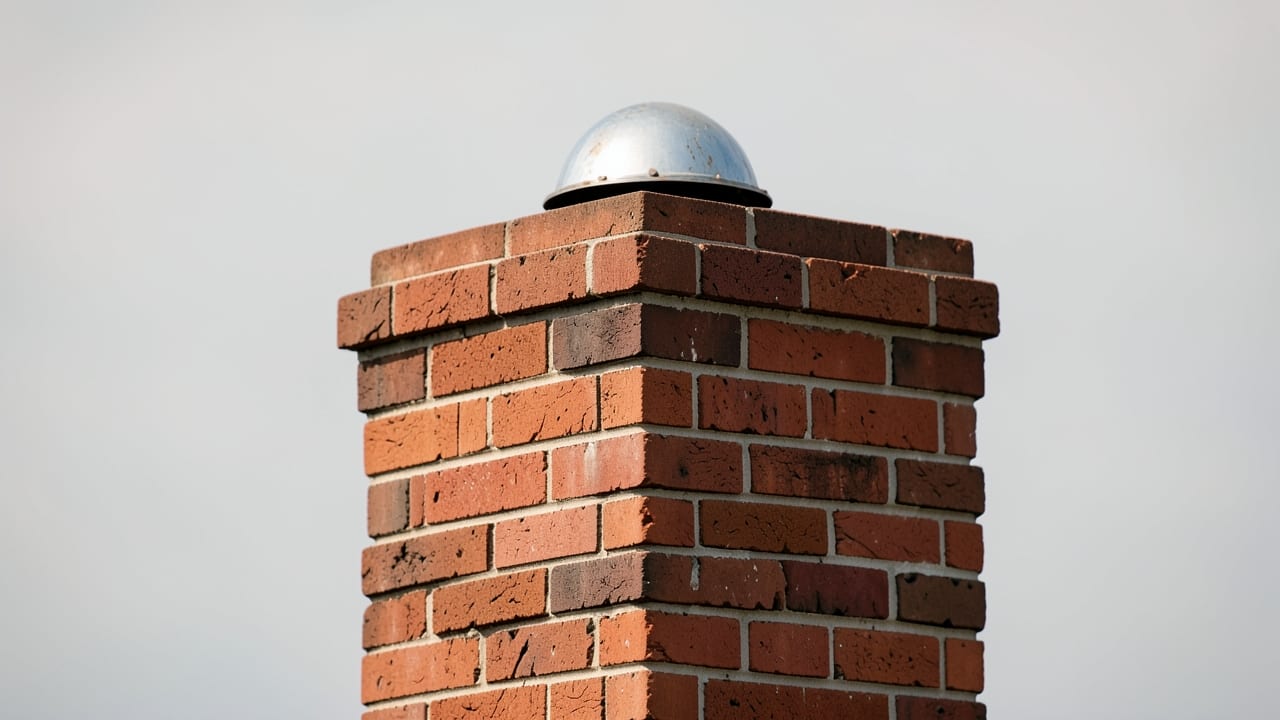
Chimney Exterior Cleaning in Johns Creek, GA
Pressure washing to remove soot, dirt, and stains from chimney exteriors.
Learn More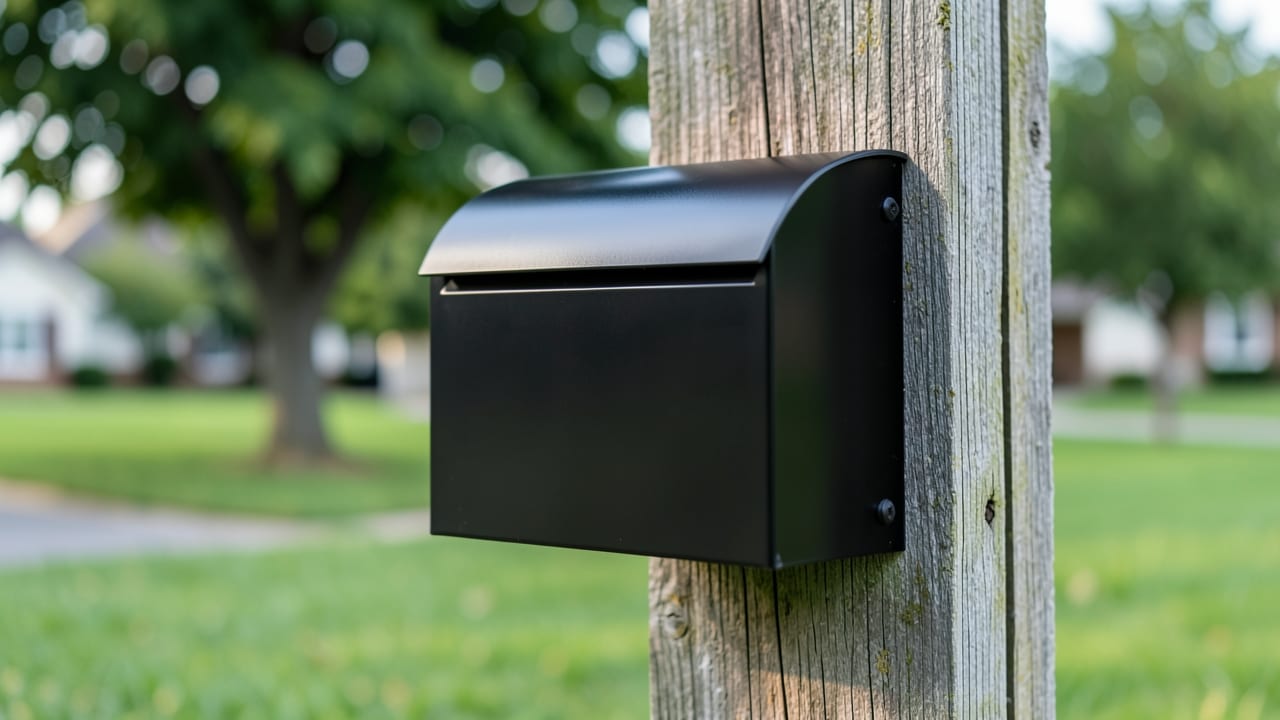
Mailbox Cleaning in Johns Creek, GA
Pressure washing to remove dirt, grime, and stains from mailboxes.
Learn More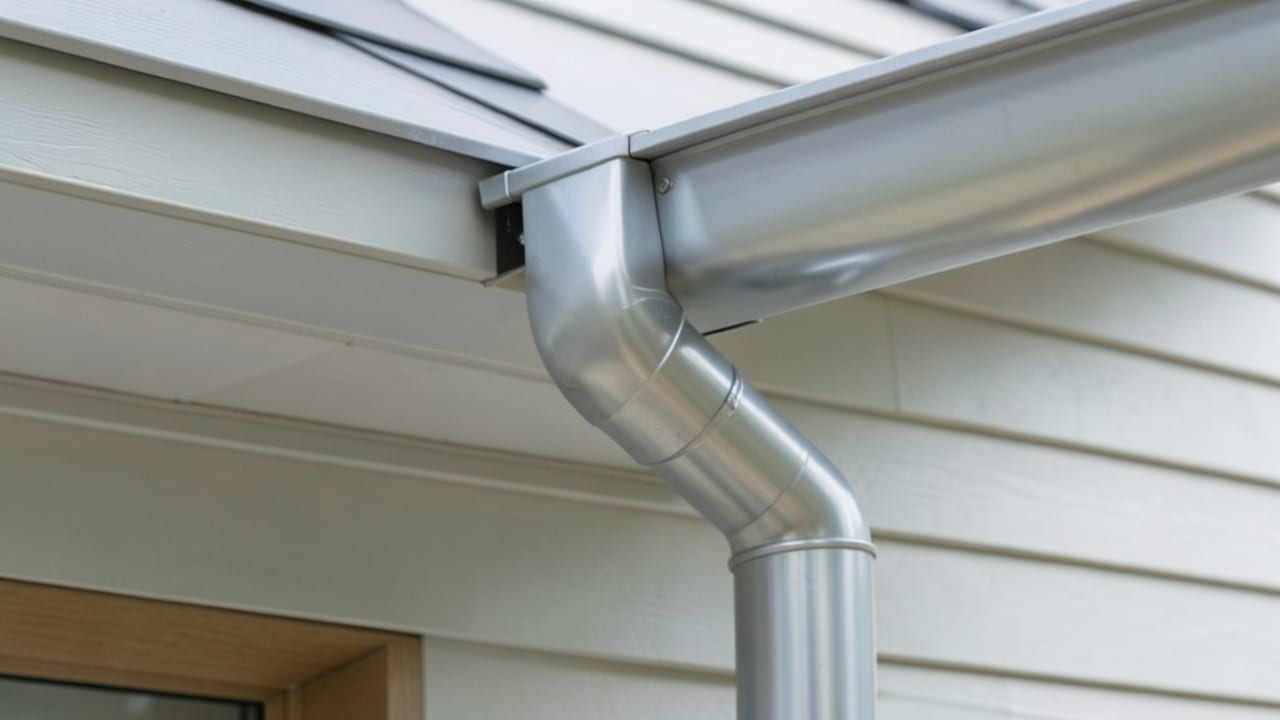
Downspout Cleaning in Johns Creek, GA
Clearing clogged downspouts to ensure proper drainage and prevent water damage.
Learn More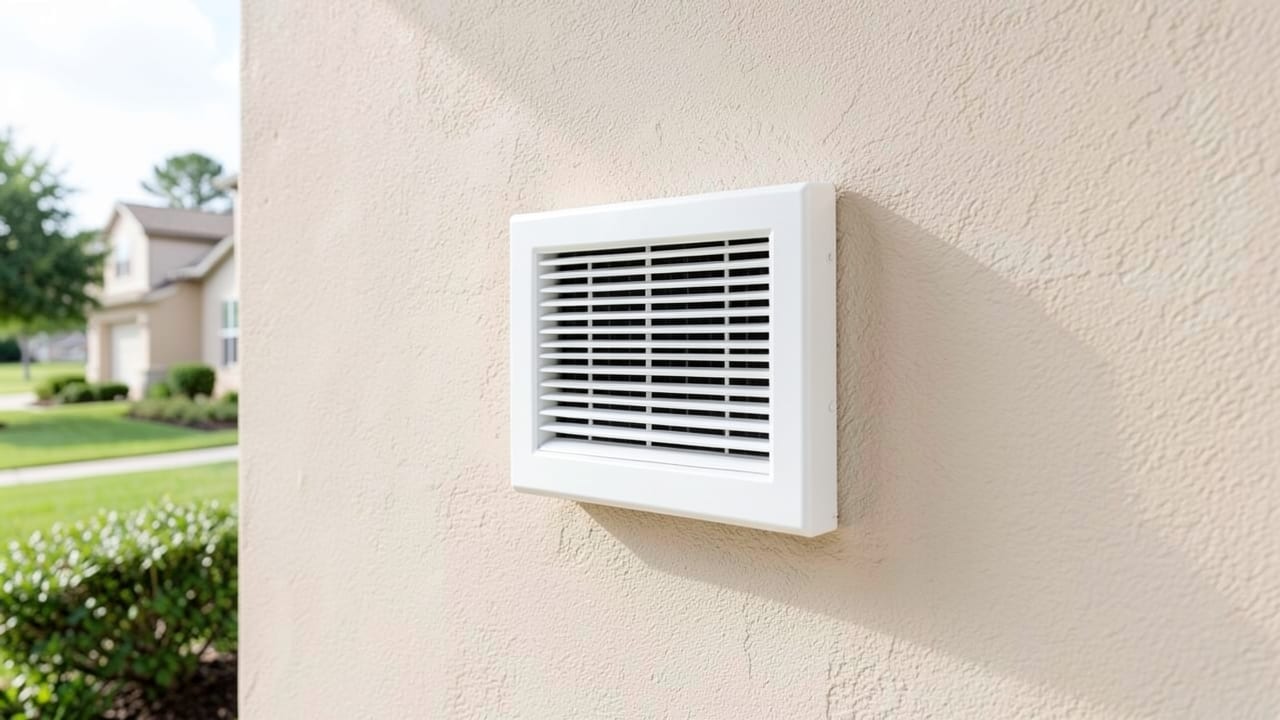
Exterior Vent Cleaning in Johns Creek, GA
Professional cleaning of exterior vents using pressure washing to remove dirt, debris, and blockages.
Learn More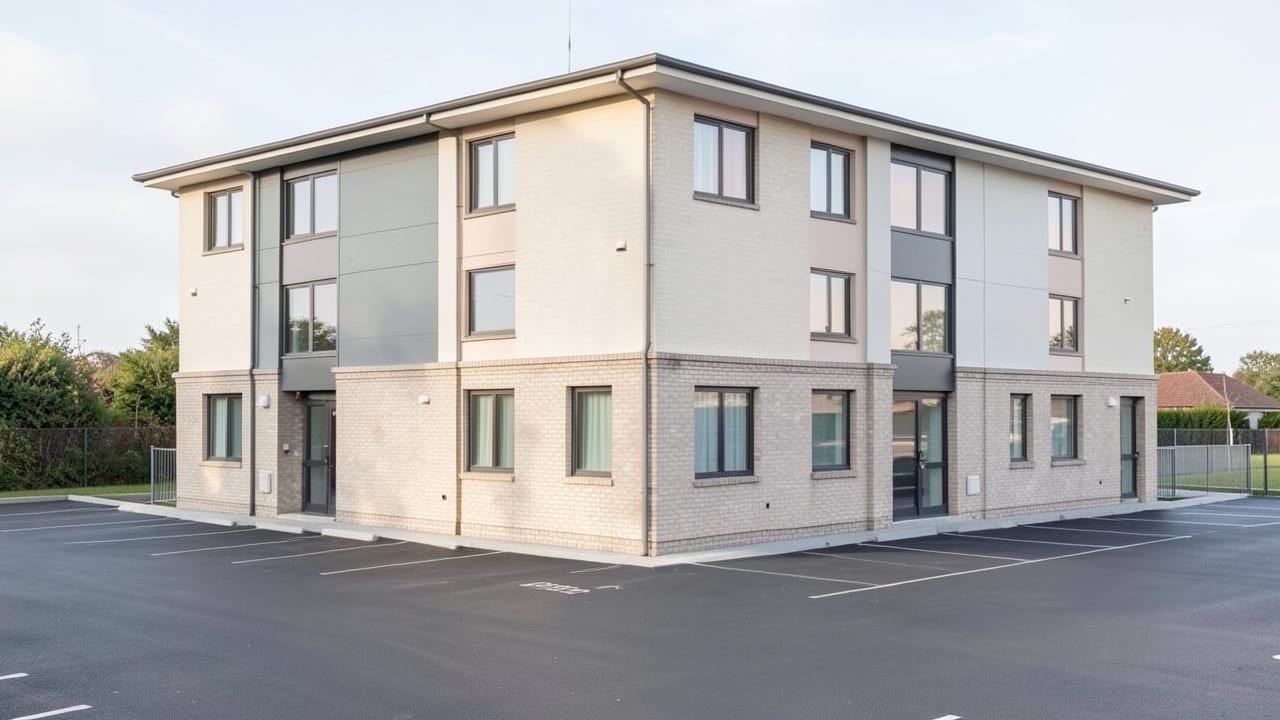
Apartment Complex Washing in Johns Creek, GA
High-pressure cleaning of apartment building exteriors, walkways, and common areas to remove dirt and grime.
Learn MoreCommon Questions About Pressure Washing in Johns Creek
Everything you need to know about pressure washing services in Johns Creek
How much does Stone Patios Cleaning typically cost in Johns Creek, GA?
Why does algae and mildew growth on homes in Johns Creek, GA come back so quickly?
Can the wrong PSI actually damage a house or driveway?
What's the actual difference between pressure washing and soft washing?
How often should a home's exterior actually be washed?
Are the cleaning chemicals used in soft washing safe for landscaping and pets?
Need Pressure Washing in Johns Creek?
Get a written quote from our Johns Creek crew.
⏰ We answer your call • Serving all of Johns Creek and surrounding areas