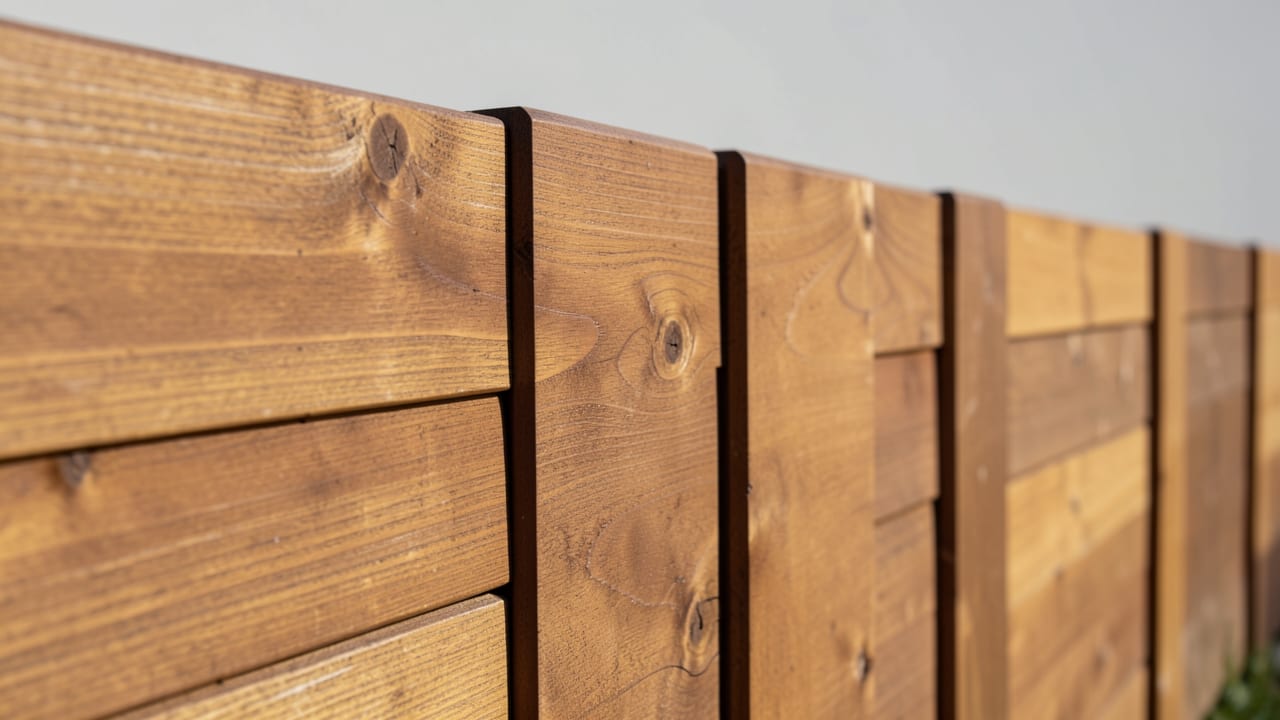
Mildew Treatment
Professional pressure washing to remove mildew from exterior surfaces like siding, decks, and fences.
Mildew treatment in Johns Creek, GA, targets unsightly black or green stains on exterior surfaces like siding, driveways, and decks caused by moisture and shade. A thorough process using specialized cleaning solutions and controlled pressure restores your home’s appearance while preventing further spread.
Local climate and shading patterns make this service particularly relevant for homes in the area.
We also handle Roof Washing (Soft Wash) and Deck & Fence Cleaning for Johns Creek properties.
When mildew treatment is needed
Mildew thrives in shaded, damp areas, often appearing as streaks or patches on siding, decks, or fences. Unlike dirt, it spreads steadily and leaves a chalky residue when rubbed. Check for green or black streaking on north-facing walls or under eaves, where moisture lingers.
Early signs include cobwebs or debris collecting in corners, which often precede visible mildew buildup.
Vegetation touching the siding or a sprinkler head aimed at the wall can accelerate mildew growth. A clogged gutter overflowing onto the siding below also contributes to rapid dirt and algae accumulation.
Comparing a covered patch (like where a house number was removed) to the exposed surface helps confirm whether fading or staining is occurring.
Signs Mildew Treatment May Be Needed
- Green or black streaking on siding, especially on shaded or north-facing walls
- Chalky residue when running a hand across the surface (indicates mildew or algae)
- Cobwebs or debris collecting in corners, under eaves, or around light fixtures
- Vegetation growing close to or touching the siding, creating a damp microclimate
- Uneven fading or staining when comparing covered vs. exposed siding patches
How environmental factors affect results
The speed at which mildew returns depends on how much moisture the siding is exposed to. Trimming back vegetation to create a gap between plants and the wall reduces shading and drying time.
Similarly, repositioning a sprinkler head away from the siding prevents daily wetting. North-facing walls or permanently shaded sections will always require more frequent attention, as sunlight exposure directly impacts drying and mildew prevention.
Keeping gutters clear prevents overflow, which carries roof grime onto the siding below. This simple maintenance step can extend the time between cleanings. While mildew treatment restores appearance, ongoing moisture control is key to slowing its return.
What to look for in a mildew treatment quote
Not all quotes for mildew treatment are equal. A reliable estimate should specify the pressure (PSI) and method (pressure wash vs. soft wash) for each surface, as incorrect pressure can damage siding, roofing, or wood.
The scope should clearly list every surface included—such as driveway, siding, deck, or fencing—since bundled pricing may exclude some areas. Chemical use and its potential impact on landscaping or pets should also be disclosed upfront.
Avoid quotes that lack detail on methods, chemicals, or surface-specific pricing. Red flags include unusually low prices, no mention of pre-treatment chemicals, or pressure to add services without a separate written estimate. Always request a written scope before agreeing to the job to avoid surprises.
| Red Flag | Why It Matters |
|---|---|
| No PSI or method specified per surface | Risk of damage to siding, roofing, or wood from incorrect pressure |
| Unusually low price compared to local averages | May indicate rushed work, lower-quality equipment, or no chemical pre-treatment |
| No disclosure of cleaning chemicals or their effects | Runoff can damage landscaping or harm pets |
| Pressure to add services without a separate written price | Harder to compare against other bids or dispute later |
How mildew treatment works
A thorough mildew treatment involves careful preparation, chemical pre-treatment, and controlled rinsing to restore surfaces without causing damage.
- 1Surface and Plant Protection
Landscaping near the foundation is wetted down and covered, and exterior outlets or fixtures are bagged to prevent detergent runoff or overspray damage.
- 2Detergent Pre-Treatment
A cleaning solution formulated for the specific siding material—such as vinyl, wood, stucco, or fiber cement—is applied at low pressure and left to dwell, breaking down mildew chemically.
- 3Soft-Wash Rinse
The siding is rinsed at low pressure (under 500 PSI) using a wide-fan tip, working top to bottom in overlapping passes at a consistent speed to avoid streaking.
- 4Spot Treatment and Final Rinse
Heavily stained areas receive a second, concentrated pass, and a clear-water final rinse removes all detergent residue. The finished surface is inspected for missed spots or damage.
Frequently asked questions
How do I know if the streaking on my siding is mildew or just dirt?
Mildew appears as green or black streaks, often on shaded walls, and leaves a chalky residue when rubbed. Dirt or oxidation may look similar but doesn’t spread steadily or leave residue. Comparing covered vs. exposed patches can also reveal fading or staining patterns.
Will mildew treatment damage my siding or roof?
When done correctly, mildew treatment uses controlled pressure and surface-specific techniques to avoid damage. However, incorrect pressure—such as using settings meant for concrete on siding—can crack stucco, split vinyl seams, or strip factory finishes. Always confirm the method and PSI in your quote.
How long will the results last after treatment?
Results vary based on moisture exposure, shading, and maintenance. Trimming vegetation away from the siding, fixing gutter overflows, and repositioning sprinklers can extend the time between treatments. North-facing walls or shaded sections may require more frequent attention.
Do I need to be home during the mildew treatment?
You don’t need to be present, but it’s helpful to discuss access points (like gates or garage doors) beforehand. A final walkthrough in daylight may reveal missed spots, so scheduling a brief check afterward can be useful.
Where Johns Creek sits, and what the Census lists nearby
Johns Creek sits in Georgia, and the closest places listed in the U.S. Census Gazetteer are Berkeley Lake (3.7 miles south), Duluth (3.7 miles southeast), Alpharetta (4.7 miles northwest), Peachtree Corners (4.8 miles south).
Within 25 miles of Johns Creek the same source lists 58 distinct incorporated places and census-designated places.
Those figures matter for mildew treatment because they are straight-line distances between Census coordinate points: road mileage between Johns Creek and Berkeley Lake runs longer than the 3.7 miles shown, which is why quotes for the same job differ between towns that look close together on a map.
Source: U.S. Census Bureau Gazetteer.
See Lawrenceville, GA for more, or see the full pressure washing lineup we run in Johns Creek on a single page for our complete lineup.
Ready to get started?
Talk to a local pressure washing pro in Johns Creek — get a written quote.
Other Pressure Washing Services in Johns Creek
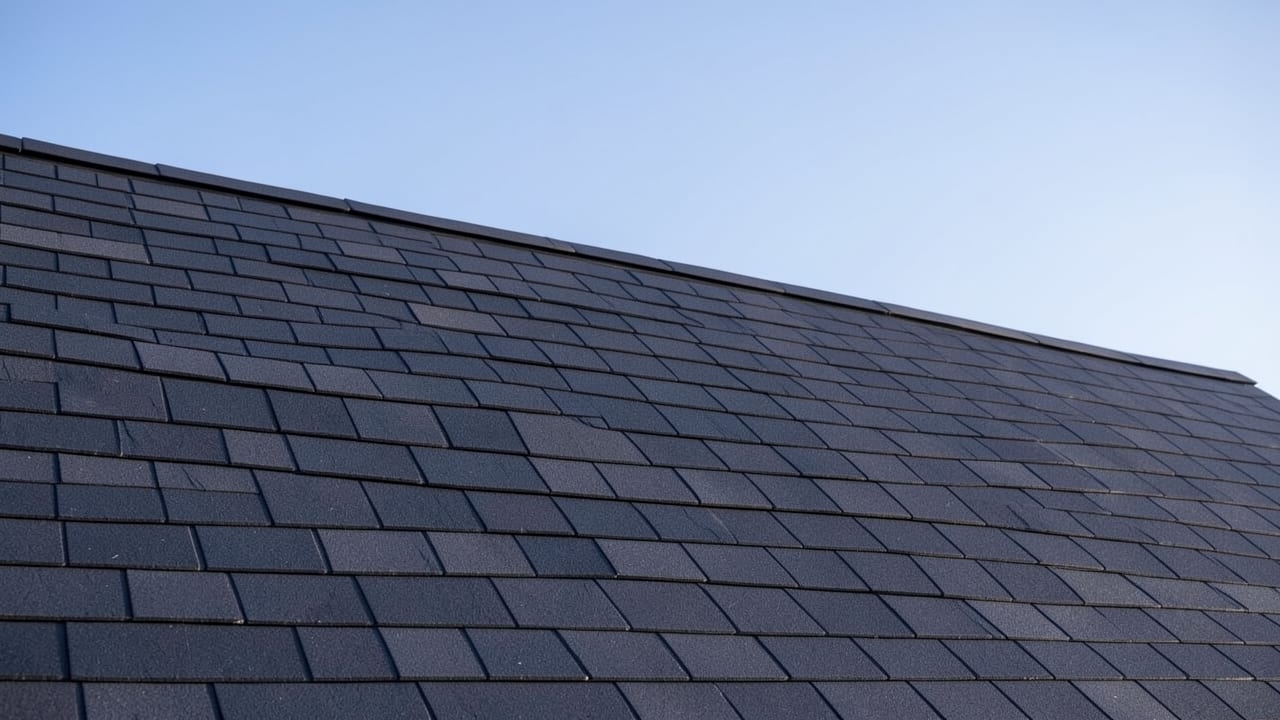
Roof Washing (Soft Wash) in Johns Creek, GA
Low-pressure soft-wash roof cleaning in Johns Creek, GA removes algae streaks without damaging shingles.
Learn More
Deck & Fence Cleaning in Johns Creek, GA
Wood and composite deck and fence cleaning in Johns Creek, GA — restores surfaces before staining or sealing.
Learn More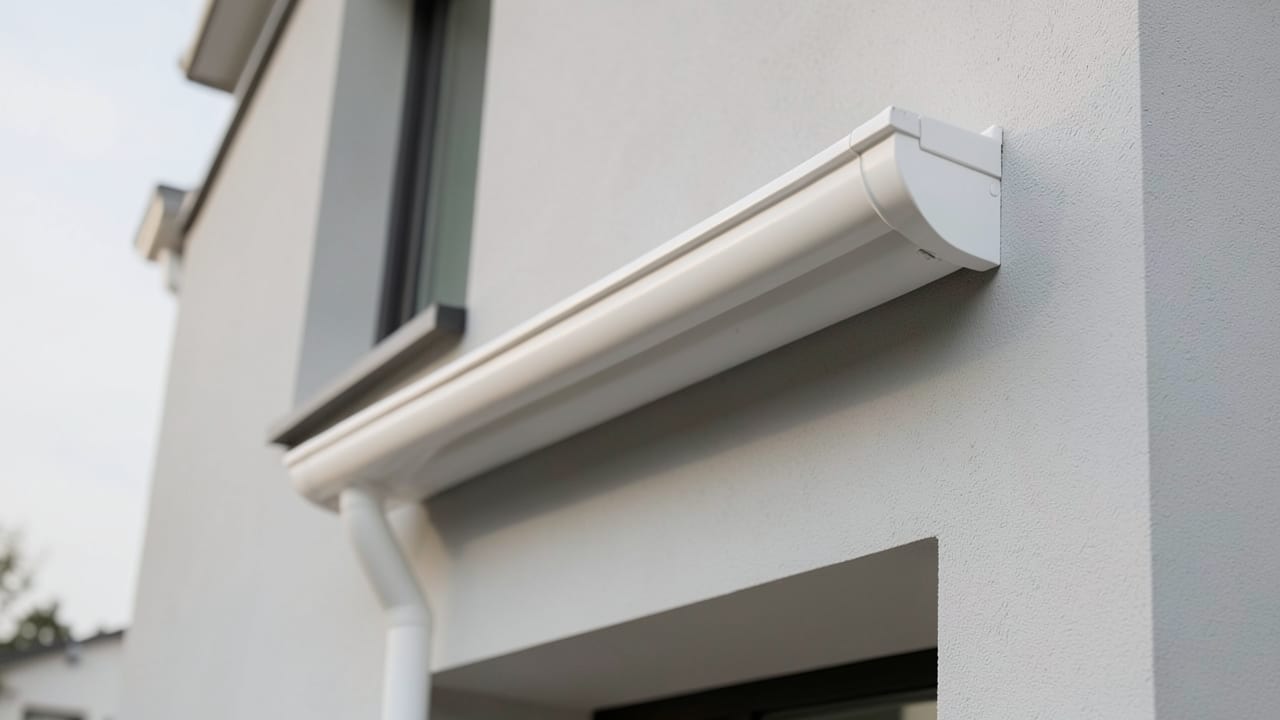
Gutter Cleaning in Johns Creek, GA
Gutter and downspout cleaning in Johns Creek, GA to clear leaf buildup and keep water flowing away from the foundation.
Learn More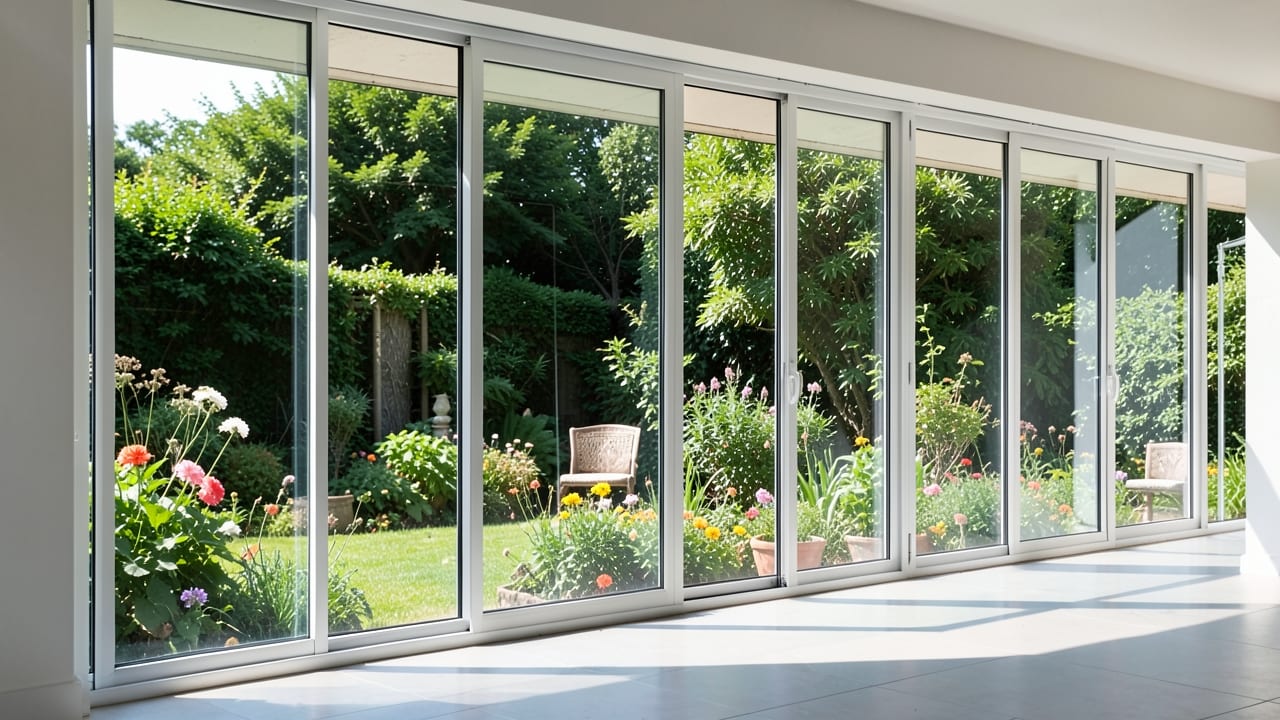
Window Cleaning in Johns Creek, GA
Exterior window and window-frame cleaning in Johns Creek, GA, often bundled with a full house wash.
Learn More
Commercial Pressure Washing in Johns Creek, GA
Pressure washing for storefronts, parking lots, and commercial properties in Johns Creek, GA.
Learn More
Graffiti Removal in Johns Creek, GA
Graffiti removal from exterior walls and surfaces in Johns Creek, GA.
Learn MoreCommon Questions About Pressure Washing in Johns Creek
Everything you need to know about pressure washing services in Johns Creek
How much does Mildew Treatment typically cost in Johns Creek, GA?
Why does algae and mildew growth on homes in Johns Creek, GA come back so quickly?
Can pressure washing strip paint or an existing sealant off a surface?
Is renting a pressure washer and doing the job at home a reasonable option?
How long does washing a typical house exterior take?
Can pressure washing damage concrete, pavers, or mortar joints?
Need Pressure Washing in Johns Creek?
Get a written quote from our Johns Creek crew.
⏰ We answer your call • Serving all of Johns Creek and surrounding areas