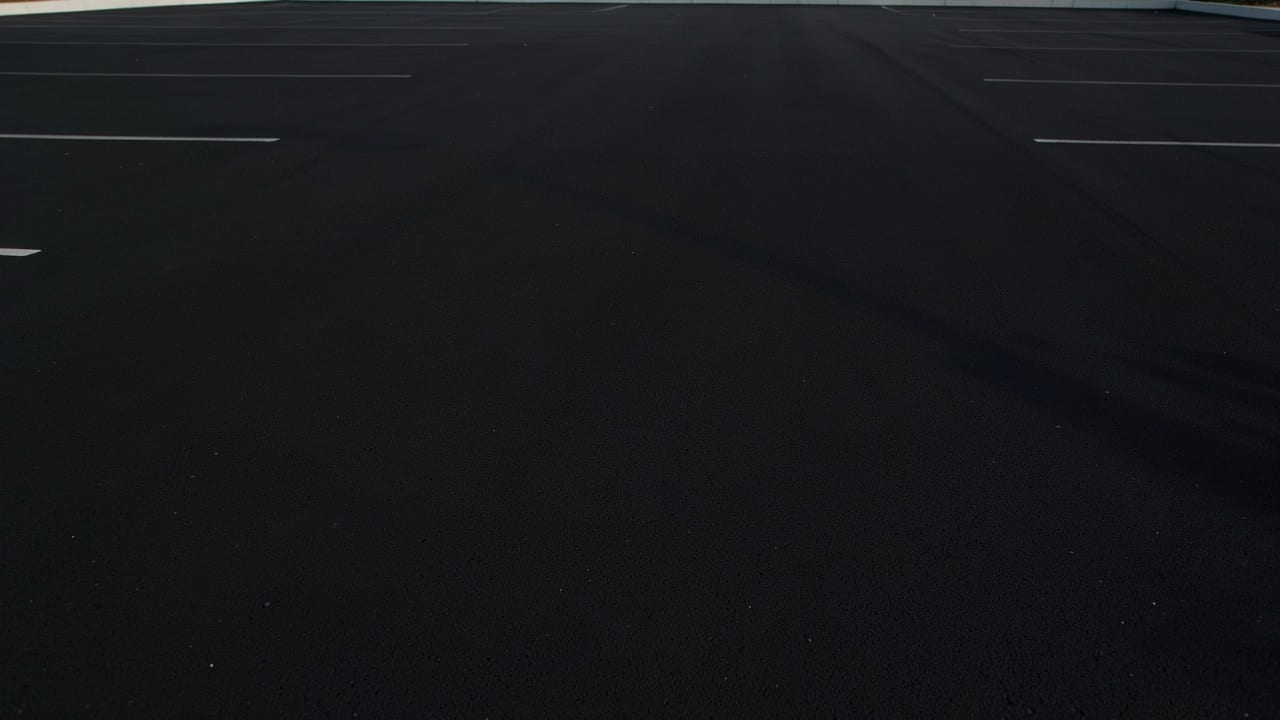
Parking Lot Cleaning
High-pressure washing to remove dirt, oil, and debris from parking lot surfaces.
Parking lot cleaning in Johns Creek, GA, uses pressure washing to restore asphalt or concrete surfaces by removing deep-seated stains, oil, and grime. This process helps prevent long-term damage while improving curb appeal and safety for driveways, patios, and private parking areas.
Proper techniques vary based on surface type and staining, ensuring effective yet careful cleaning.
We also handle Solar Panel Cleaning and Fleet Washing for Johns Creek properties.
When parking lot cleaning is needed
Parking lot cleaning is typically recommended when surfaces show stubborn stains that don’t fade with rain or routine sweeping. Oil spots, tire marks, and organic buildup often darken over time and spread if left untreated.
A slick or slippery feel when wet can also signal algae or mildew growth, which requires targeted cleaning methods.
Look for signs like a green or black tinge in shaded corners, a white powdery haze (efflorescence), or visible etching from previous cleaning attempts. These indicate deeper issues that pressure washing alone may not fully address without proper pre-treatment or surface-specific techniques.
Signs Your Parking Lot Needs Cleaning
- Dark stains from oil, rust, or tires that spread over time instead of fading
- A noticeably slick surface when wet, beyond normal wet concrete feel
- Green or black discoloration in low spots where water pools after rain
- White, powdery residue (efflorescence) that doesn’t wash away with water
- Visible etching or streaking from past pressure washing attempts
What affects cleaning results and pricing
The effectiveness of parking lot cleaning depends on surface type, stain severity, and pre-treatment methods. For example, sealed or stamped concrete requires lower pressure to avoid damaging the finish, while plain concrete can handle higher settings. Pre-treating oil stains with degreasers prevents spreading, which is critical for long-lasting results.
Pricing varies based on the size of the area, surface material, and specific cleaning needs. Larger or multi-surface projects may require additional time and equipment, while decorative or sealed surfaces demand more careful handling. Requesting a walkthrough quote ensures the job is priced accurately for your unique conditions.
| Factor | Impact on Cleaning Process |
|---|---|
| Surface Type | Sealed/stamped concrete needs lower pressure; plain concrete tolerates higher settings |
| Stain Type | Oil/grease requires degreasers; organic stains need dwell time for detergents |
| Surface Area | Larger lots take longer; multi-surface projects may need specialized equipment |
| Drainage Issues | Poor drainage can lead to algae/mildew; may require additional treatment |
Maintaining clean results
After professional cleaning, surfaces stay cleaner longer with routine maintenance. Sweeping regularly prevents organic debris from decomposing into stains, while prompt cleanup of spills—especially oil or fluids—reduces deep penetration. Applying a penetrating or film-forming sealer after cleaning helps block future staining by filling surface pores.
Improving drainage in low spots also reduces algae growth, as standing water creates ideal conditions for mildew. A well-maintained surface requires less frequent deep cleaning over time, extending the life of your parking lot’s appearance.
Sealing after cleaning fills pores that stains and algae would otherwise penetrate, helping surfaces stay cleaner between professional cleanings.
How parking lot cleaning works
Pressure washing restores parking lots by removing deep-seated stains and contaminants.
- 1Surface Assessment
The surface is inspected to identify material type (e.g., sealed, stamped, or plain concrete) and stain severity. This determines the appropriate pressure and chemical pre-treatment.
- 2Detergent Application
Degreasing or stain-lifting solutions are applied to oil spots, tire marks, and organic stains, then left to dwell to break down contaminants before rinsing.
- 3Pressure Cleaning
A surface cleaner attachment is used in overlapping passes at a consistent distance to avoid etching or uneven cleaning, ensuring even coverage across the entire area.
- 4Edge and Detail Finishing
Expansion joints, corners, and edges are cleaned separately at lower pressure to prevent visible damage, as these areas are most vulnerable to close-contact washing.
- 5Rinse and Containment
A final clear-water rinse removes residue, and runoff is directed away from storm drains or planting beds to prevent environmental contamination.
Frequently asked questions
How do I know if my parking lot needs pressure washing?
Look for dark, spreading stains from oil or tires, a slick feel when wet, or discoloration in shaded areas. These signs indicate deep-seated contaminants that water alone won’t remove.
Can pressure washing damage my concrete surface?
Incorrect pressure or technique can etch or discolor sealed or decorative concrete. Professionals adjust settings based on surface type to minimize risk while ensuring effective cleaning.
Will pressure washing remove oil stains permanently?
Pre-treatment with degreasers helps lift oil stains, but results depend on stain age and surface porosity. Prompt cleanup of spills reduces deep penetration, improving long-term outcomes.
How often should I have my parking lot cleaned?
Frequency depends on usage, climate, and maintenance. High-traffic areas or regions with heavy rainfall may need annual cleaning, while routine sweeping can extend time between professional treatments.
Where Johns Creek sits, and what the Census lists nearby
Johns Creek sits in Georgia, and the closest places listed in the U.S. Census Gazetteer are Berkeley Lake (3.7 miles south), Duluth (3.7 miles southeast), Alpharetta (4.7 miles northwest), Peachtree Corners (4.8 miles south).
Within 25 miles of Johns Creek the same source lists 58 distinct incorporated places and census-designated places.
Those figures matter for parking lot cleaning because they are straight-line distances between Census coordinate points: road mileage between Johns Creek and Berkeley Lake runs longer than the 3.7 miles shown, which is why quotes for the same job differ between towns that look close together on a map.
Source: U.S. Census Bureau Gazetteer.
See Pine Lake, GA for more, or see what's included in our Johns Creek service on a single page for our complete lineup.
Ready to get started?
Talk to a local pressure washing pro in Johns Creek — get a written quote.
Other Pressure Washing Services in Johns Creek
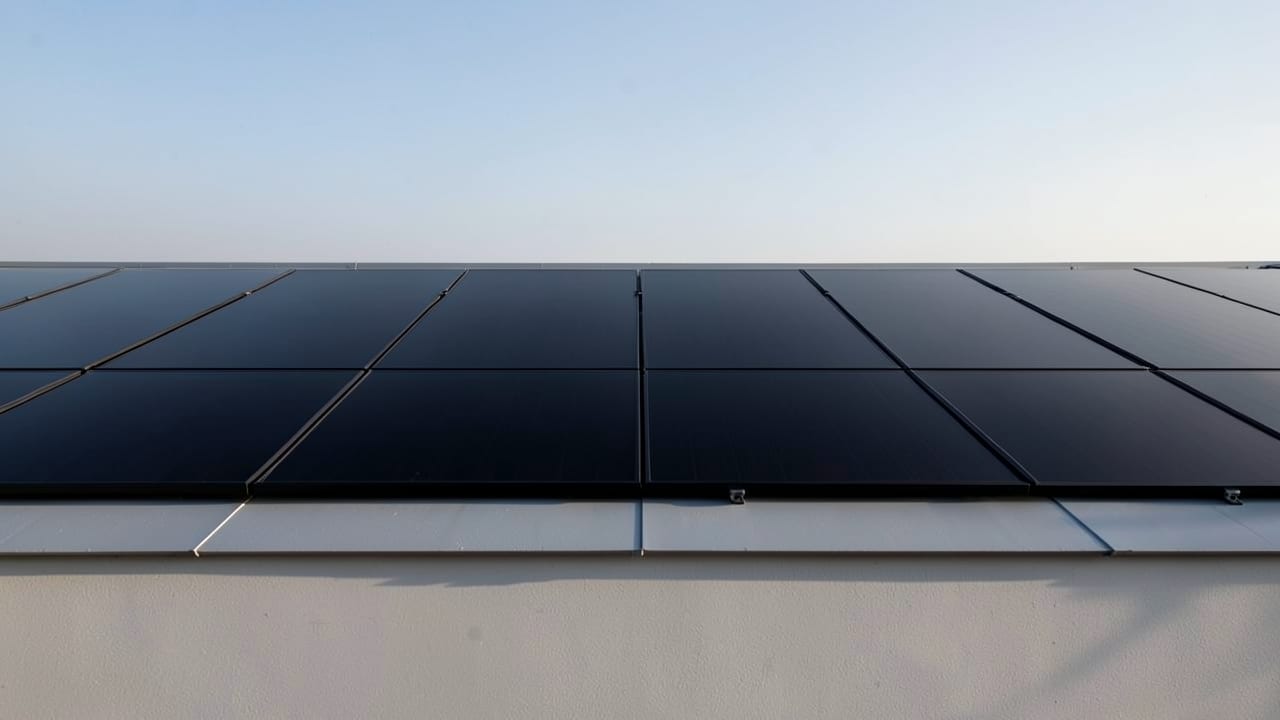
Solar Panel Cleaning in Johns Creek, GA
Solar panel cleaning in Johns Creek, GA — low-pressure, purified-water rinse that restores panel output without scratching the glass.
Learn More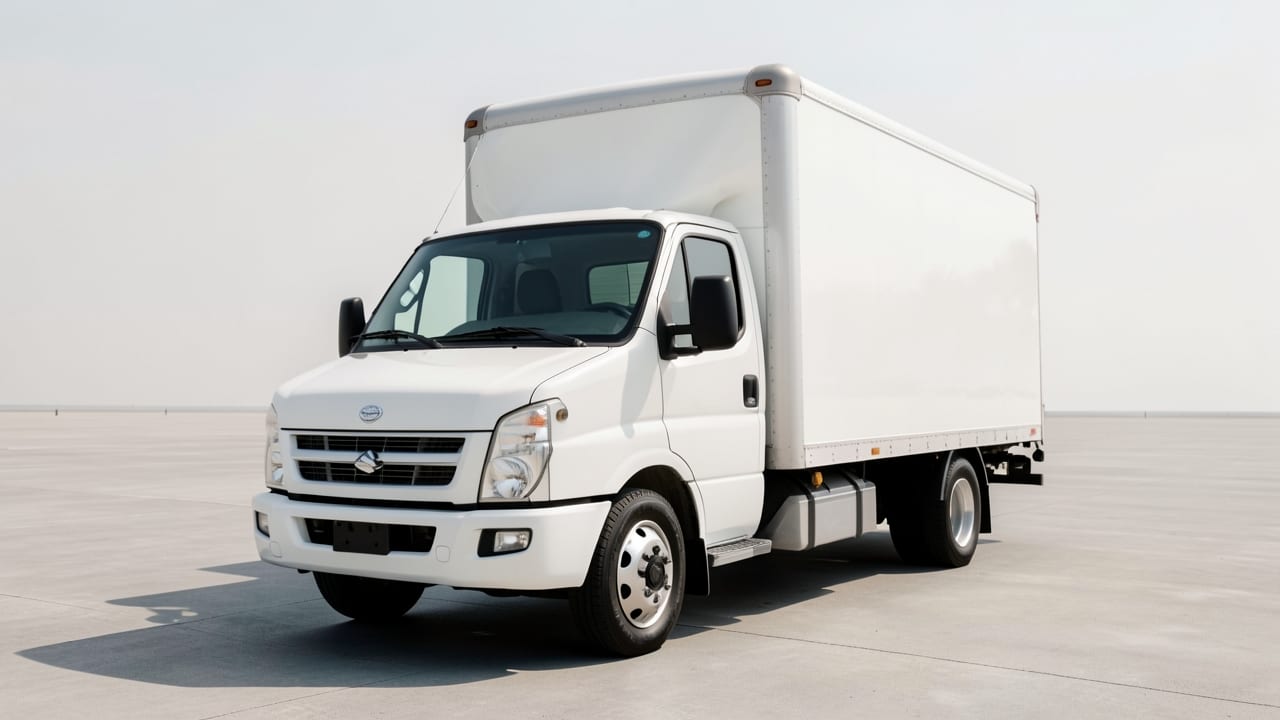
Fleet Washing in Johns Creek, GA
Mobile fleet washing for commercial vehicles in Johns Creek, GA — on-site cleaning for work trucks and vans.
Learn More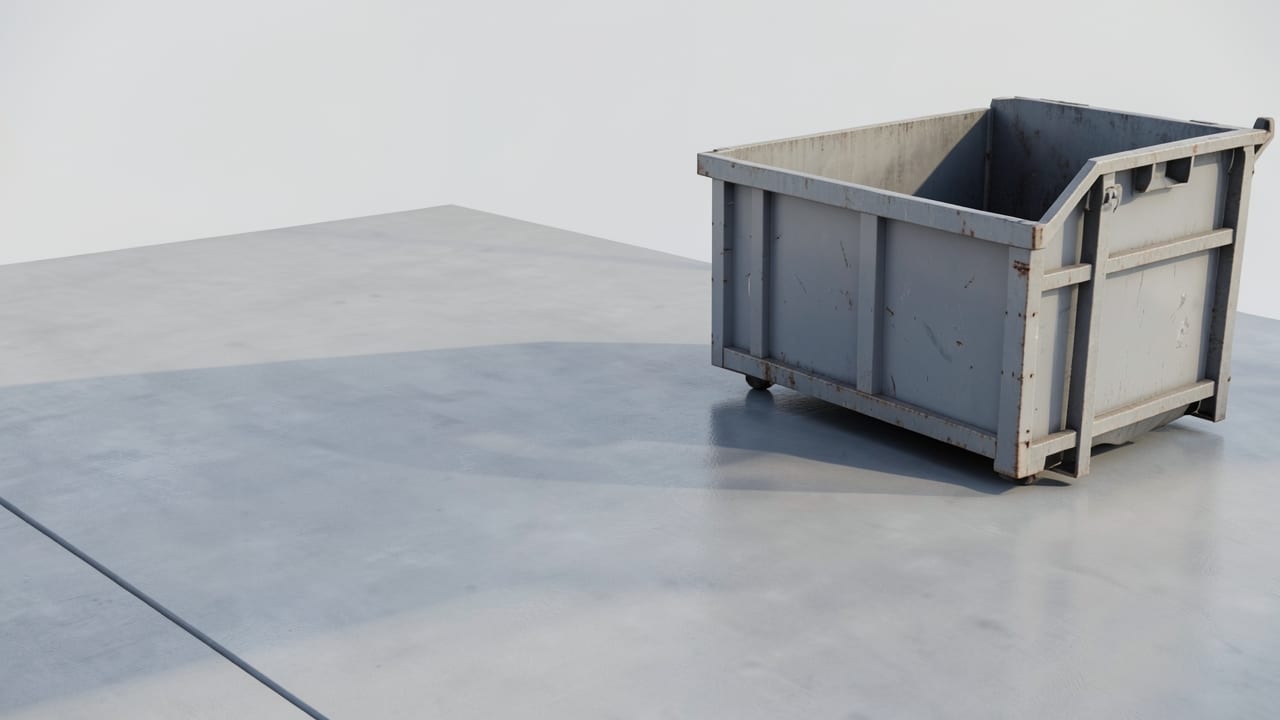
Dumpster Pad Cleaning in Johns Creek, GA
Commercial dumpster pad cleaning in Johns Creek, GA — hot-water sanitizing for grease, odor, and staining.
Learn More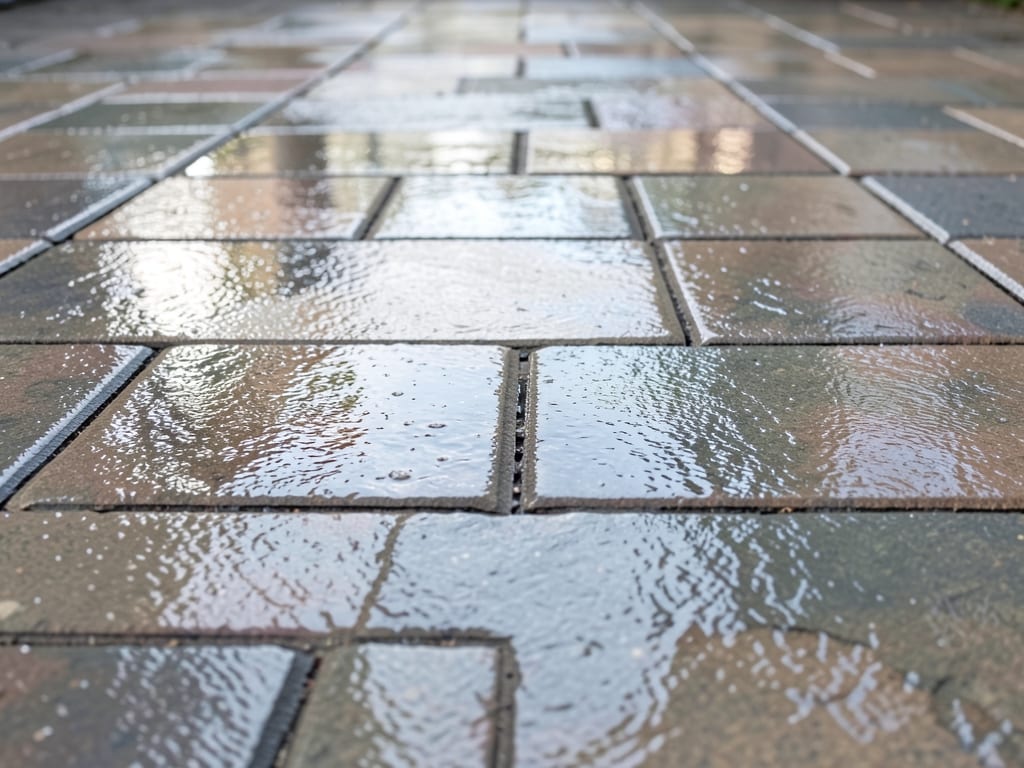
Paver Sealing in Johns Creek, GA
Paver sealing in Johns Creek, GA — a protective, wet-look finish applied after cleaning to lock in color and block stains.
Learn More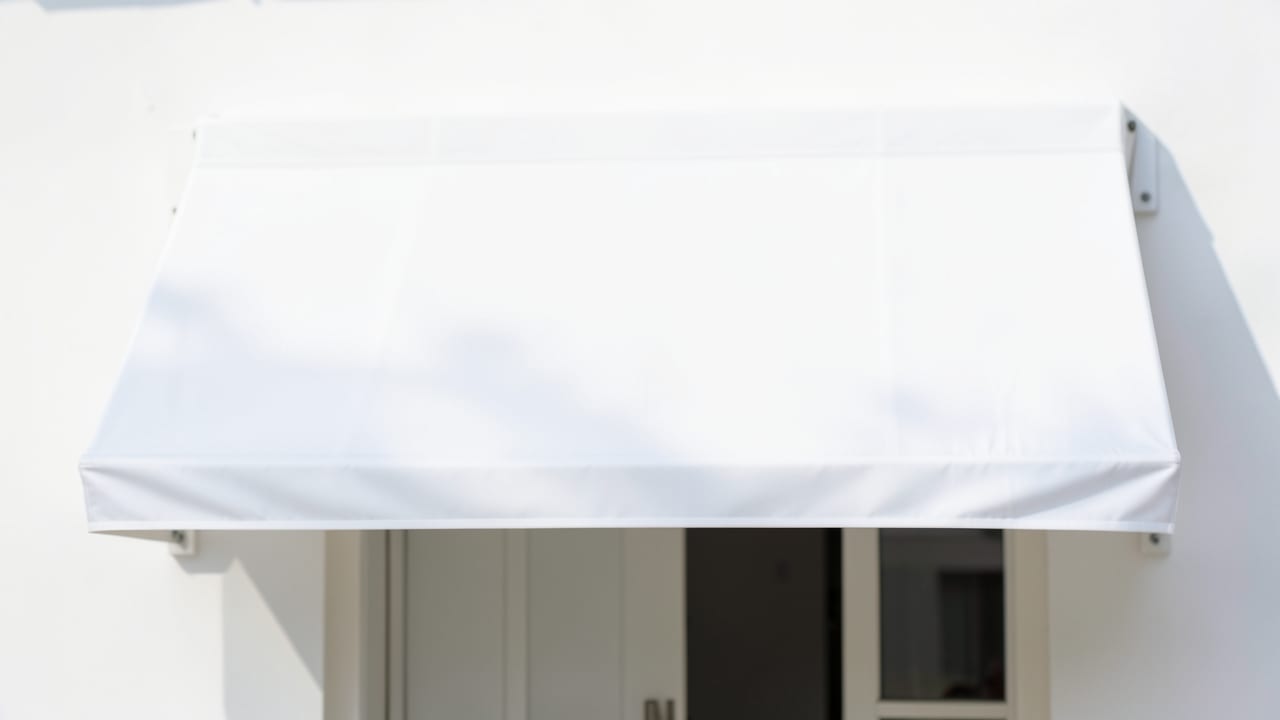
Awning & Canopy Cleaning in Johns Creek, GA
Awning and canopy cleaning in Johns Creek, GA — fabric-safe, low-pressure cleaning for storefront and residential awnings.
Learn More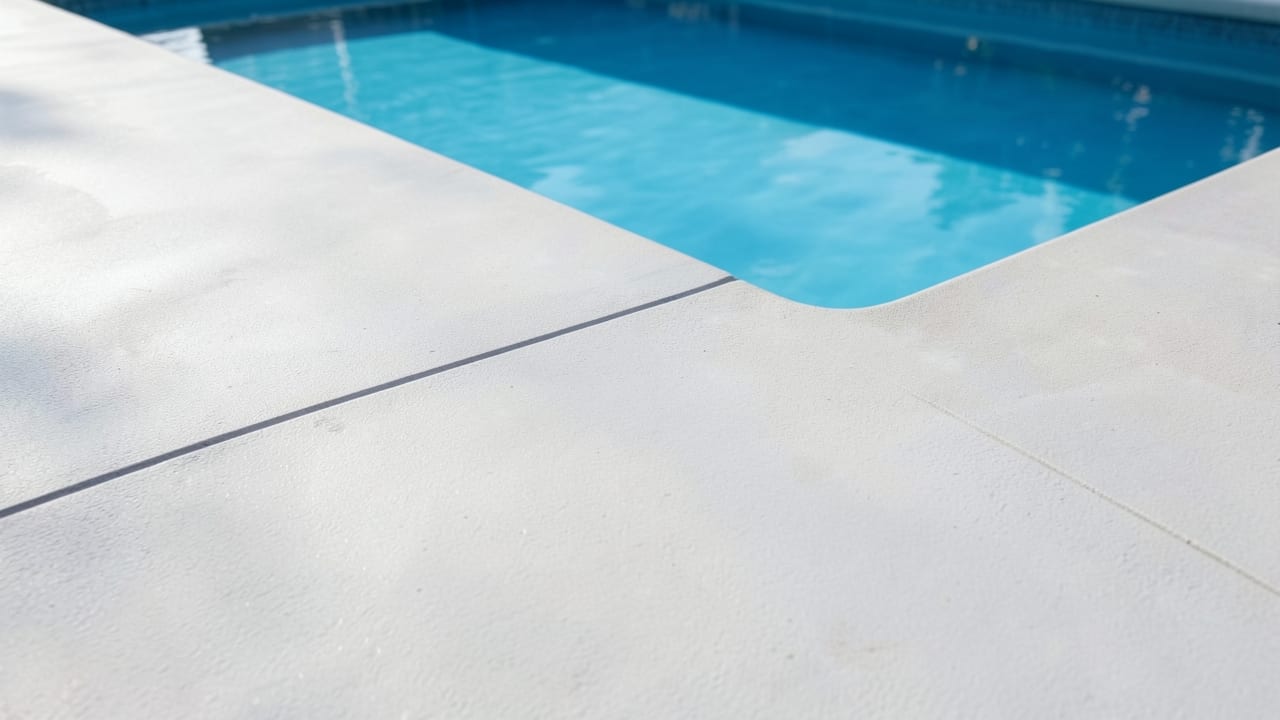
Pool Deck Cleaning in Johns Creek, GA
Pool deck cleaning in Johns Creek, GA — chemical-safe cleaning that restores slip resistance and removes algae staining.
Learn MoreCommon Questions About Pressure Washing in Johns Creek
Everything you need to know about pressure washing services in Johns Creek
How much does Parking Lot Cleaning typically cost in Johns Creek, GA?
Why does algae and mildew growth on homes in Johns Creek, GA come back so quickly?
Can the wrong PSI actually damage a house or driveway?
What's the actual difference between pressure washing and soft washing?
How often should a home's exterior actually be washed?
Are the cleaning chemicals used in soft washing safe for landscaping and pets?
Need Pressure Washing in Johns Creek?
Get a written quote from our Johns Creek crew.
⏰ We answer your call • Serving all of Johns Creek and surrounding areas