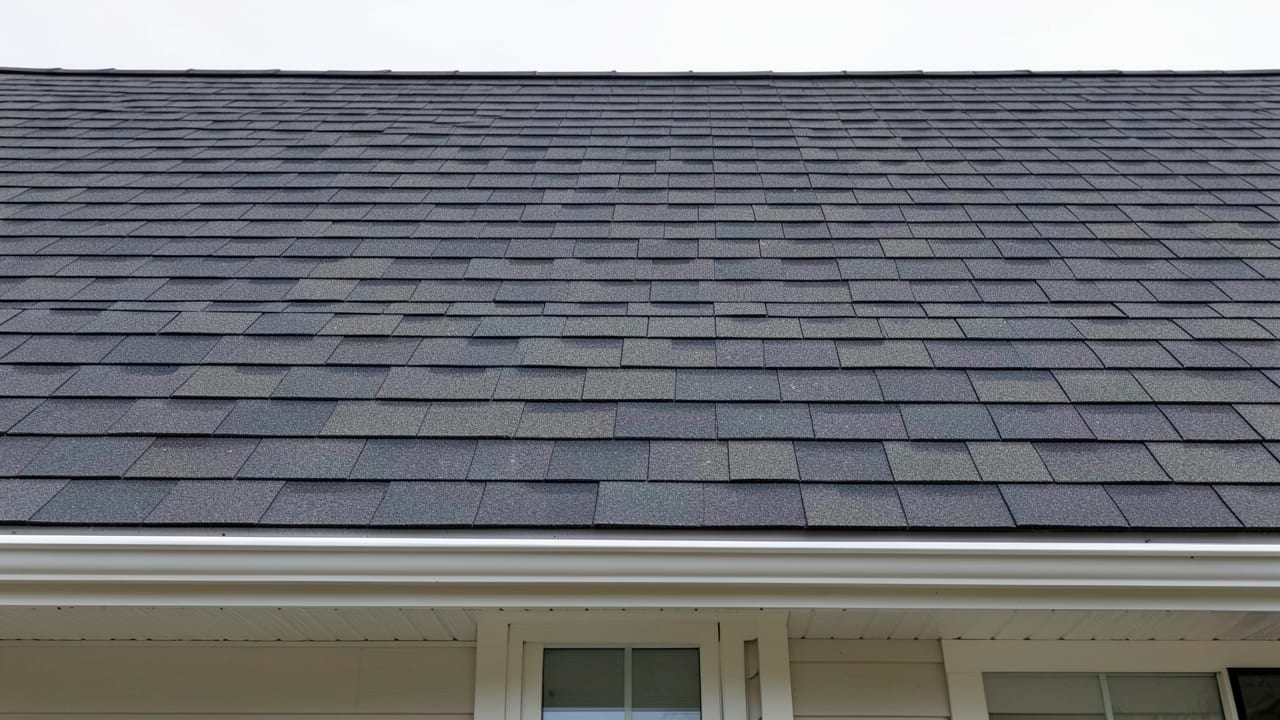
Algae Treatment
Professional pressure washing to remove algae from exterior surfaces like roofs, siding, and driveways.
Algae and mildew growth on roofs, decks, and siding is common in Johns Creek’s shaded, humid climate. High-pressure washing with targeted cleaning solutions removes unsightly stains safely, preserving surfaces while protecting landscaping and exterior fixtures from chemical runoff or overspray damage.
Proper technique prevents streaking, water intrusion, or material degradation during the process.
We also handle Rust Removal and Oil Stain Removal for Johns Creek properties.
When algae treatment is needed
Algae and mildew thrive in damp, shaded areas, often appearing as green or black streaks on siding, roofs, or decks. Unlike dirt, these growths spread steadily once established, making early treatment more effective.
Check for chalky residue when running a hand over the surface—a sign of oxidation or grime—or compare covered patches (like under a house number) to exposed areas for a clear contrast.
Grime and debris tend to accumulate first in corners, under eaves, and around light fixtures. If cobwebs, dirt, or insect debris are noticeable in these spots, it’s a sign the rest of the exterior may need attention soon.
North-facing walls or sections with overhanging vegetation also show buildup faster due to consistent moisture.
Signs Algae Treatment Is Needed
- Green or black streaks on siding, especially on shaded or north-facing walls.
- Chalky residue when touching the surface (indicates oxidation or grime buildup).
- Visible algae growth spreading steadily instead of staying localized.
- Debris collecting in corners, under eaves, or around light fixtures before other surfaces show dirt.
How your home’s layout affects cleaning
Vegetation touching or growing close to siding keeps that section damp longer, speeding up algae regrowth. Trimming back plants to create a gap against the wall helps slow buildup in those spots.
Similarly, a sprinkler head aimed at the siding—rather than the lawn—keeps one section wet daily, making it a hotspot for algae.
Clogged gutters can overflow, sending water and roof grime straight down the siding below. Keeping gutters clear reduces this constant moisture source. Permanently shaded areas, like those facing north or under large trees, will always require more frequent attention, as sunlight exposure directly impacts how quickly surfaces stay clean.
| Factor | Impact on Algae Growth | Solution |
|---|---|---|
| Overhanging vegetation | Keeps siding damp, speeds regrowth | Trim back to create a 6-inch gap |
| Sprinkler aimed at siding | Daily moisture exposure | Redirect to lawn or adjust timing |
| Clogged gutters | Overflow sends grime down siding | Clean gutters seasonally |
| North-facing walls | Less sunlight, slower drying | More frequent cleaning in shaded areas |
What to expect during the process
Before any pressure is applied, landscaping near the foundation is protected with tarps or barriers, and exterior outlets or fixtures are bagged to prevent chemical runoff or overspray.
A cleaning solution formulated for the specific siding material—vinyl, wood, stucco, or fiber cement—is applied first at low pressure to break down algae and mildew chemically.
The siding is then rinsed with low-pressure water (under 500 PSI) in overlapping passes, working top to bottom. Stubborn stains receive a second, more concentrated pass rather than higher pressure, which can force water behind seams and cause hidden damage.
A final clear-water rinse removes residue, and the work is inspected in daylight for missed spots or damage.
Using the wrong pressure setting for the material—such as concrete-level PSI on siding—can crack stucco, split vinyl seams, or strip factory finishes. Always confirm the method (pressure vs. soft wash) and PSI range for each surface before work begins.
How algae treatment works
A thorough algae treatment combines chemical pre-treatment with controlled pressure washing to remove stains without damaging surfaces.
- 1Prep and Protection
Landscaping near the foundation is covered, and exterior fixtures are sealed to prevent chemical runoff or overspray damage.
- 2Chemical Pre-Treatment
A low-pressure detergent formulated for the siding material is applied to break down algae and mildew before rinsing.
- 3Controlled Rinsing
The siding is rinsed with low-pressure water (under 500 PSI) in consistent, overlapping passes to avoid streaking or water intrusion.
- 4Spot Treatment and Inspection
Stubborn stains receive a second pass, and the work is inspected in daylight for missed spots or damage before completion.
Frequently asked questions
How do I know if my siding needs algae treatment or just a regular wash?
Algae appears as green or black streaks that spread over time, while dirt or grime may feel chalky when touched. If you notice consistent buildup in shaded areas or under eaves, it’s likely algae. A regular wash won’t address the chemical breakdown needed for stubborn growth.
Will pressure washing damage my siding or roof?
If done correctly with the right PSI for the material, pressure washing removes algae without causing damage. However, using improper pressure—such as concrete-level settings on siding—can crack stucco, split seams, or strip finishes. Always confirm the method and PSI range for each surface.
How often should I treat algae on my home’s exterior?
Frequency depends on shade, moisture exposure, and vegetation near the siding. North-facing walls or areas with overhanging plants may need attention every 1–2 years, while well-ventilated sections can go longer. Regular gutter cleaning and trimming back plants also help extend the time between treatments.
Can I do algae treatment myself, or should I hire a professional?
DIY kits exist, but improper technique—such as inconsistent pressure or wrong detergents—can damage surfaces or leave streaks. Professionals use targeted chemicals and controlled pressure to avoid these issues, especially on delicate materials like vinyl or fiber cement.
Where Johns Creek sits, and what the Census lists nearby
Johns Creek sits in Georgia, and the closest places listed in the U.S. Census Gazetteer are Berkeley Lake (3.7 miles south), Duluth (3.7 miles southeast), Alpharetta (4.7 miles northwest), Peachtree Corners (4.8 miles south).
Within 25 miles of Johns Creek the same source lists 58 distinct incorporated places and census-designated places.
Those figures matter for algae treatment because they are straight-line distances between Census coordinate points: road mileage between Johns Creek and Berkeley Lake runs longer than the 3.7 miles shown, which is why quotes for the same job differ between towns that look close together on a map.
Source: U.S. Census Bureau Gazetteer.
See Roswell, GA for more, or our full range of pressure washing services for our complete lineup.
Ready to get started?
Talk to a local pressure washing pro in Johns Creek — get a written quote.
Other Pressure Washing Services in Johns Creek
Rust Removal in Johns Creek, GA
Professional pressure washing to remove rust stains from driveways, sidewalks, and exterior surfaces.
Learn More
Oil Stain Removal in Johns Creek, GA
High-pressure cleaning to remove oil stains from driveways, garages, and other surfaces.
Learn More
Mildew Treatment in Johns Creek, GA
Professional pressure washing to remove mildew from exterior surfaces like siding, decks, and fences.
Learn More
Sidewalk Cleaning in Johns Creek, GA
High-pressure washing to remove dirt, grime, and stains from sidewalks and walkways.
Learn More
Parking Lot Cleaning in Johns Creek, GA
High-pressure washing to remove dirt, oil, and debris from parking lot surfaces.
Learn More
Warehouse Cleaning in Johns Creek, GA
High-pressure cleaning of warehouse interiors and exteriors to remove dirt, grime, and debris.
Learn MoreCommon Questions About Pressure Washing in Johns Creek
Everything you need to know about pressure washing services in Johns Creek
How much does Algae Treatment typically cost in Johns Creek, GA?
Why does algae and mildew growth on homes in Johns Creek, GA come back so quickly?
What are the actual named steps in a professional pressure washing job?
Can the wrong PSI actually damage a house or driveway?
What's the actual difference between pressure washing and soft washing?
How often should a home's exterior actually be washed?
Need Pressure Washing in Johns Creek?
Get a written quote from our Johns Creek crew.
⏰ We answer your call • Serving all of Johns Creek and surrounding areas