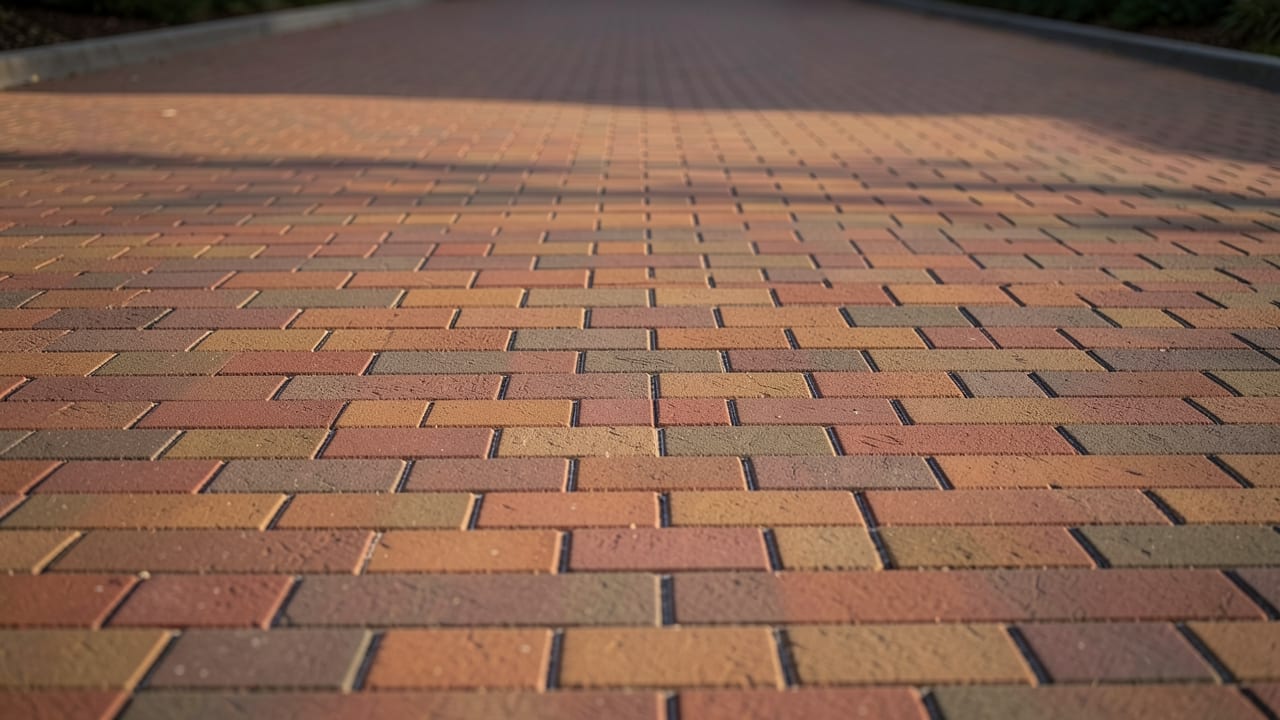
Salt Deposit Removal
High-pressure washing to remove salt deposits from surfaces like driveways and sidewalks.
Salt deposits from winter weather can leave unsightly white stains and corrode concrete, brick, and stone surfaces in Johns Creek, GA. Pressure washing with targeted techniques removes these buildups, restoring appearance and preventing long-term damage to driveways, walkways, and patios.
The process is thorough, with surface protection and careful pressure control to avoid harming nearby landscaping or materials.
We also handle Fleet Washing and Dumpster Pad Cleaning for Johns Creek properties.
When salt deposits need removal
Salt buildup often appears as white, chalky residue on surfaces exposed to winter road treatments or de-icing salts. Johns Creek’s climate means these deposits linger, especially on concrete and brick, where they can erode materials over time.
Checking for green or black streaking on shaded siding or a fine residue when running a hand over surfaces helps confirm the need for cleaning.
Salt doesn’t just stain—it accelerates wear. Left untreated, it can weaken concrete, discolor brick, and even damage stucco or stone over time. The key is acting before the stains become embedded, as deeper buildups require more aggressive (and riskier) cleaning methods.
Signs Salt Deposits Need Removal
- White, powdery residue on concrete, brick, or stone surfaces—especially after rain or snow melt.
- Green or black streaking on shaded siding or walls, indicating algae or mildew growth from trapped moisture.
- A fine, chalky residue when running a hand over surfaces, suggesting oxidation or embedded grime.
- Visible deterioration in concrete or brick, such as flaking or discoloration, where salt has weakened the material.
- Water beading unevenly on surfaces, a sign of a compromised finish or embedded salt crystals.
How surface conditions affect cleaning
Not all salt deposits respond the same way to pressure washing. Porous materials like brick or stone absorb moisture differently than smooth concrete, and older surfaces may require lower pressure to avoid damage.
The presence of algae or mildew—common in shaded or damp areas—also changes the approach, as chemical pre-treatment becomes essential before rinsing.
Vegetation touching siding or gutters overflowing near walls can trap moisture, speeding up salt and mold buildup. Trimming back plants and clearing gutters before cleaning helps the process last longer by reducing recurring conditions that cause dirt to re-establish quickly.
Common mistakes to avoid
Using high pressure without pre-treatment can push water behind siding seams, leading to hidden mold or rot. Similarly, skipping a detergent formulated for the surface leaves behind residue that attracts more dirt. Even well-intentioned DIY attempts often miss these steps, resulting in streaking or uneven cleaning.
Overlooking small details—like bagging outlets or covering landscaping—can turn a routine wash into a complaint over damaged plants or electrical hazards. The most common issues stem from rushing the process or using the wrong pressure for the material.
Concrete tolerates higher pressure, but stucco and vinyl siding can crack or peel if washed with settings meant for harder surfaces. Always confirm the PSI and method (pressure vs. soft wash) for each material before starting.
How salt deposit removal works
This process combines chemical treatment and controlled pressure to safely dissolve and remove salt buildup without damaging surfaces.
- 1Surface Protection
Landscaping near the work area is wetted and covered, and exterior outlets or fixtures are bagged to prevent chemical runoff or overspray damage.
- 2Detergent Pre-Treatment
A cleaning solution specific to the surface material—vinyl, wood, or brick—is applied at low pressure to break down salt, algae, and mildew before rinsing.
- 3Controlled Pressure Rinse
The surface is rinsed with a wide-fan tip at consistent, low pressure (under 500 psi) to avoid streaking or forcing water behind siding seams.
- 4Spot Treatment for Stubborn Areas
Heavily stained or moldy sections receive a second, more concentrated pass rather than higher pressure, which can push contaminants deeper into materials.
- 5Final Inspection
A clear-water rinse removes all detergent, and the surface is walked in daylight to check for missed spots or damage requiring separate attention.
Frequently asked questions
How do I know if my salt stains are bad enough to need professional cleaning?
If the white residue feels gritty to the touch, leaves streaks when wet, or shows signs of weakening the material (like flaking concrete), professional removal is recommended. DIY methods often miss embedded salt or cause uneven cleaning.
Will pressure washing damage my siding or brick?
When done correctly, with the right pressure and pre-treatment, the process is safe for most materials. However, using improper pressure—especially on stucco or vinyl—can cause cracking or peeling. Always confirm the method and PSI for your specific surfaces.
How long does it take for salt deposits to return after cleaning?
Results vary based on exposure to moisture, shade, and nearby vegetation. Keeping gutters clear, trimming plants away from walls, and avoiding sprinklers aimed at siding can extend the time between cleanings.
Can I clean salt deposits myself, or should I hire a professional?
DIY methods like scrubbing or using a garden hose may temporarily improve appearance but often leave residue or damage surfaces. Professionals use targeted chemicals and controlled pressure to dissolve salt without harming materials.
Where Johns Creek sits, and what the Census lists nearby
Johns Creek sits in Georgia, and the closest places listed in the U.S. Census Gazetteer are Berkeley Lake (3.7 miles south), Duluth (3.7 miles southeast), Alpharetta (4.7 miles northwest), Peachtree Corners (4.8 miles south).
Within 25 miles of Johns Creek the same source lists 58 distinct incorporated places and census-designated places.
Those figures matter for salt deposit removal because they are straight-line distances between Census coordinate points: road mileage between Johns Creek and Berkeley Lake runs longer than the 3.7 miles shown, which is why quotes for the same job differ between towns that look close together on a map.
Source: U.S. Census Bureau Gazetteer.
See Cumming, GA for more, or take a look at how our Johns Creek crew can help before booking for our complete lineup.
Ready to get started?
Talk to a local pressure washing pro in Johns Creek — get a written quote.
Other Pressure Washing Services in Johns Creek

Fleet Washing in Johns Creek, GA
Mobile fleet washing for commercial vehicles in Johns Creek, GA — on-site cleaning for work trucks and vans.
Learn More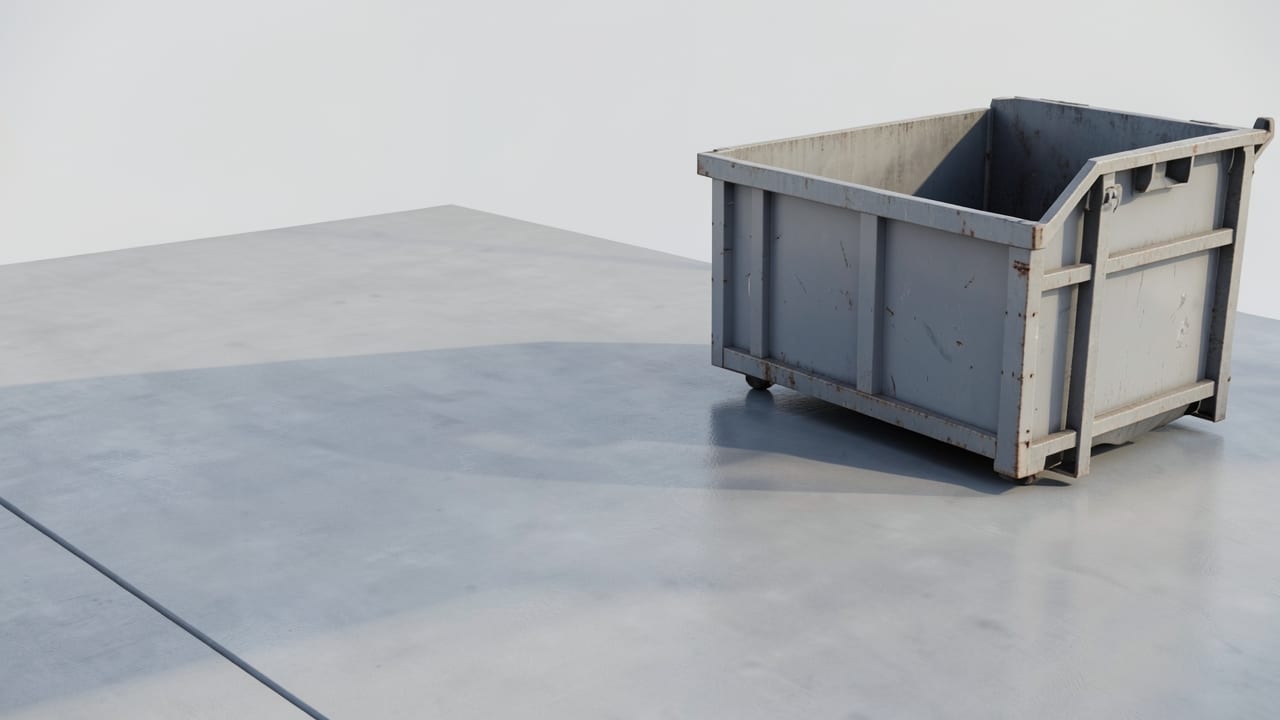
Dumpster Pad Cleaning in Johns Creek, GA
Commercial dumpster pad cleaning in Johns Creek, GA — hot-water sanitizing for grease, odor, and staining.
Learn More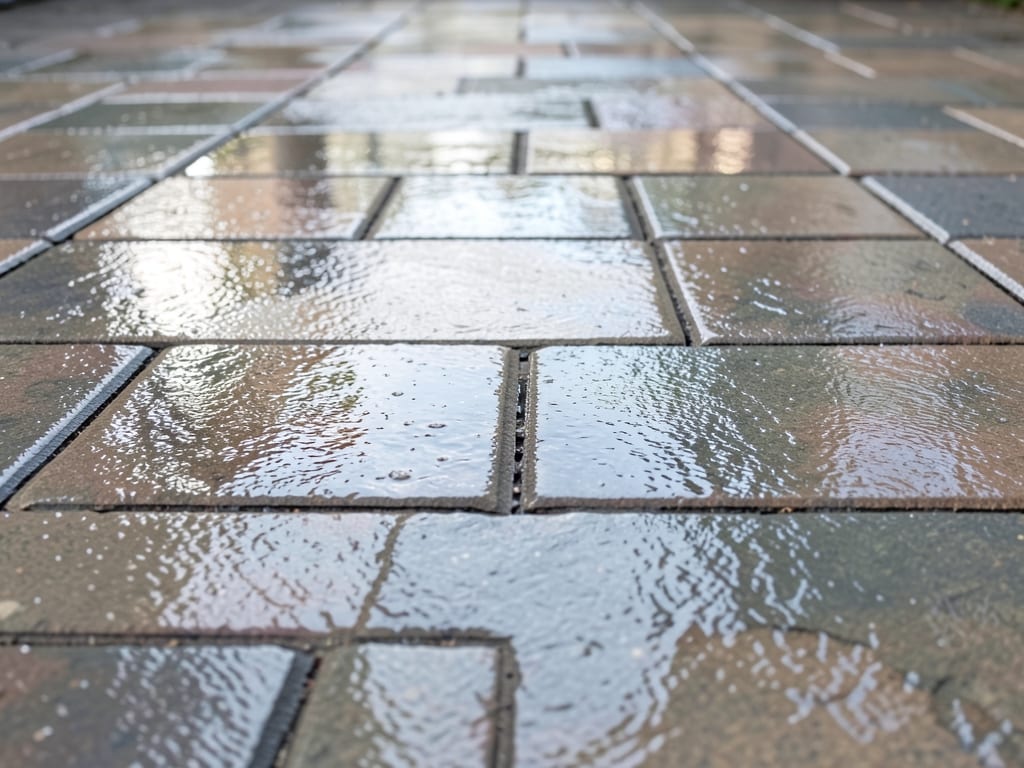
Paver Sealing in Johns Creek, GA
Paver sealing in Johns Creek, GA — a protective, wet-look finish applied after cleaning to lock in color and block stains.
Learn More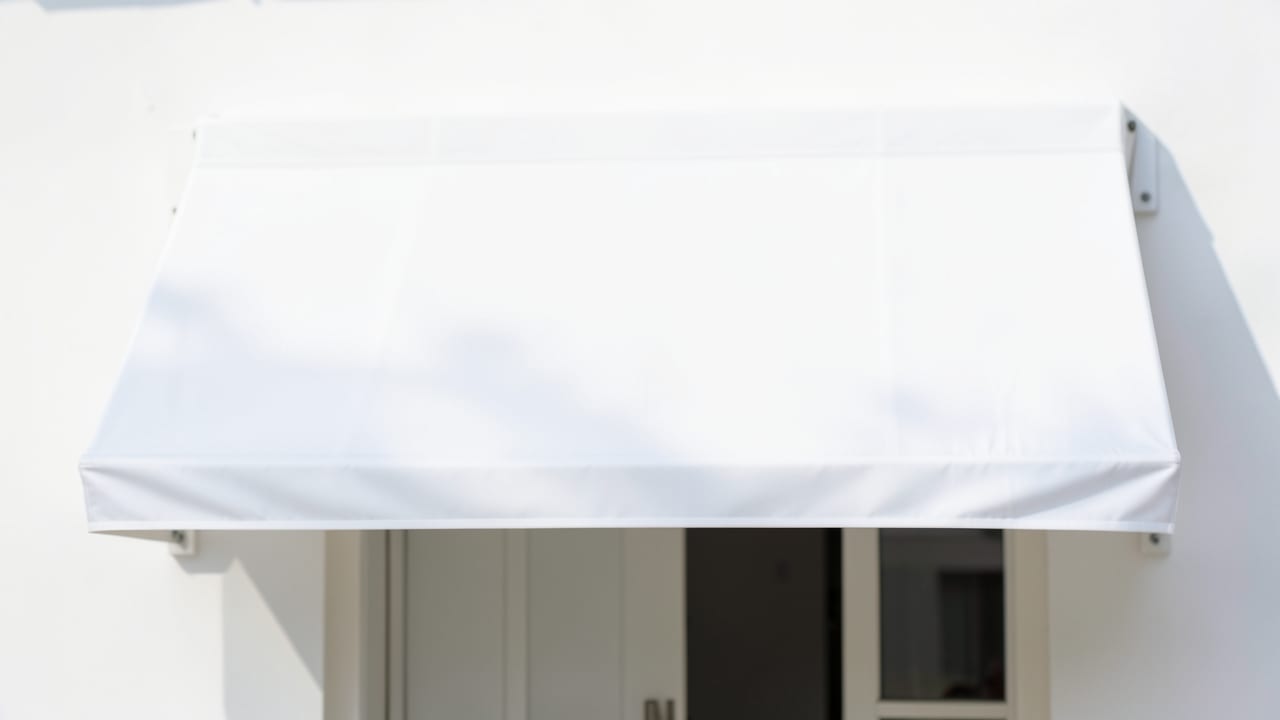
Awning & Canopy Cleaning in Johns Creek, GA
Awning and canopy cleaning in Johns Creek, GA — fabric-safe, low-pressure cleaning for storefront and residential awnings.
Learn More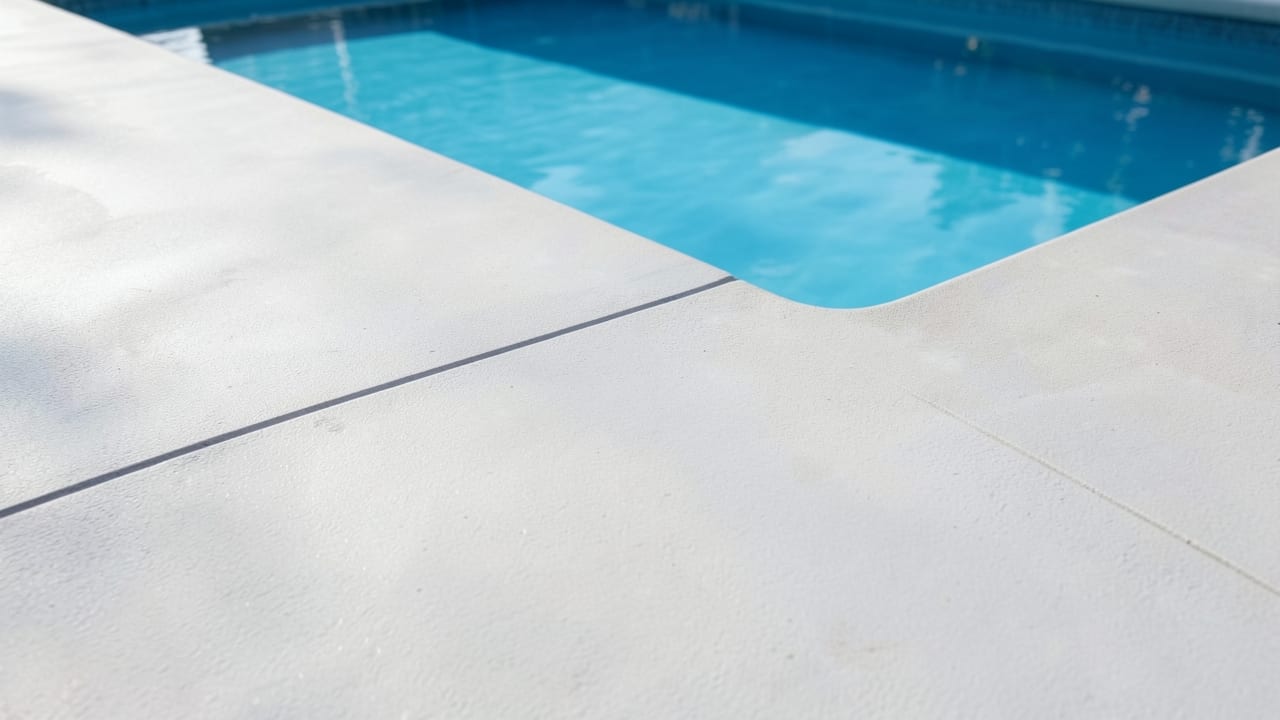
Pool Deck Cleaning in Johns Creek, GA
Pool deck cleaning in Johns Creek, GA — chemical-safe cleaning that restores slip resistance and removes algae staining.
Learn More
Rust Removal in Johns Creek, GA
Professional pressure washing to remove rust stains from driveways, sidewalks, and exterior surfaces.
Learn MoreCommon Questions About Pressure Washing in Johns Creek
Everything you need to know about pressure washing services in Johns Creek
How much does Salt Deposit Removal typically cost in Johns Creek, GA?
Why does algae and mildew growth on homes in Johns Creek, GA come back so quickly?
Would home insurance cover damage caused by improper pressure washing?
Can pressure washing strip paint or an existing sealant off a surface?
Is renting a pressure washer and doing the job at home a reasonable option?
How long does washing a typical house exterior take?
Need Pressure Washing in Johns Creek?
Get a written quote from our Johns Creek crew.
⏰ We answer your call • Serving all of Johns Creek and surrounding areas