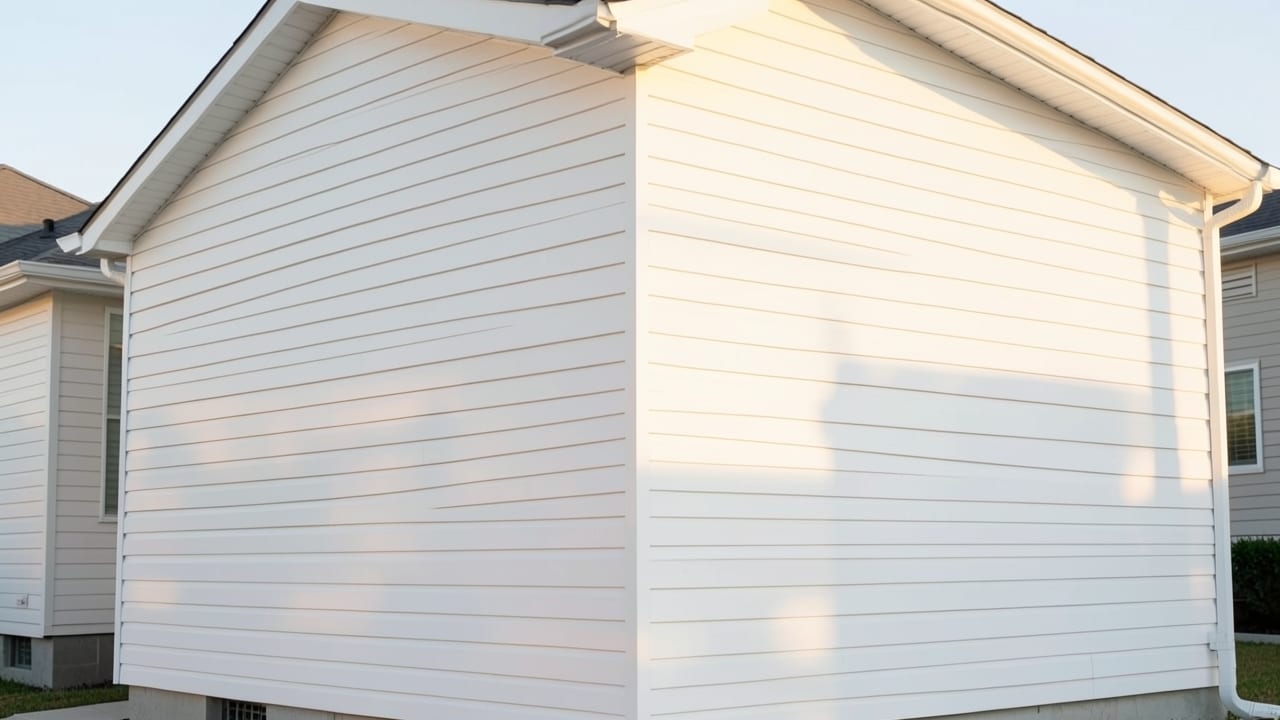
Hard Water Stain Removal
Pressure washing to remove hard water stains from exterior surfaces.
Hard water stains from minerals in Johns Creek’s water supply leave white or chalky streaks on driveways, sidewalks, and siding. Pressure washing with targeted techniques removes these deposits safely, restoring surfaces without damaging materials or landscaping. Local experts use low-pressure soft-wash methods to protect siding and plants while cleaning effectively.
When hard water stains need attention
Hard water stains often start as faint streaks on shaded or north-facing siding, where moisture lingers. Green or black streaks indicate algae or mildew, while a chalky residue suggests mineral buildup. These signs worsen gradually, so addressing them early prevents deeper staining and potential damage.
We also handle Rental Property Washing and Condo Association Washing for Johns Creek properties.
Check for cobwebs, dirt, or insect debris collecting in corners, under eaves, or around light fixtures—these are early warnings. Removing mounted items like house numbers or planters reveals how much the surrounding siding has faded or dirtied over time.
Signs Your Siding Needs Cleaning
- Green or black streaks on shaded siding (algae/mildew).
- Chalky residue when running a hand over the surface (mineral buildup).
- Cobwebs or debris in corners, under eaves, or near fixtures.
- Uneven fading or discoloration when comparing covered vs. exposed patches.
How your home’s layout affects stain buildup
Vegetation touching siding keeps that area damp, speeding up algae growth. Trimming back plants to create a gap against the wall slows re-staining. Sprinkler heads aimed at siding instead of lawns also contribute, as they keep one section wet daily regardless of weather.
Clogged gutters overflowing onto siding carry roof grime downward, while permanently shaded sections will always need more frequent attention. These factors influence how quickly stains return after cleaning.
Adjust sprinkler heads away from siding, trim overhanging plants, and clear gutters to reduce moisture exposure. These changes help cleaning results last longer.
What affects pricing for hard water stain removal
Pricing depends on the square footage of surfaces cleaned, the type of materials (vinyl, wood, stucco), and whether additional services like sealing are needed. Driveways and sidewalks often require higher pressure and more time than siding, impacting the total cost.
Quotes should specify the pressure (PSI) and method (soft wash vs. pressure wash) for each surface, as using incorrect pressure can damage materials. Always request a written scope listing all included surfaces.
How hard water stain removal works
- 1Protect Surroundings
Landscaping near the foundation is wetted and covered, and exterior outlets or fixtures are bagged to prevent detergent runoff or overspray damage.
- 2Apply Detergent Pre-Treatment
A cleaning solution formulated for the siding material (vinyl, wood, stucco, or fiber cement) is applied at low pressure and left to dwell, breaking down algae and mildew chemically.
- 3Rinse at Low Pressure
The siding is rinsed with a wide-fan tip at under 500 PSI, working top to bottom in overlapping passes to avoid streaking.
- 4Spot Treatment for Stubborn Stains
Heavily stained areas receive a second, concentrated pass at the same low pressure to avoid forcing water behind siding seams.
- 5Final Inspection and Rinse
A clear-water rinse removes detergent residue, and the siding is checked for missed spots or damage before completion.
Frequently asked questions
How do I know if my siding needs a soft wash or pressure wash?
Soft wash is safer for siding, using low pressure (under 500 PSI) with cleaning solutions. Pressure washing risks damaging materials like vinyl or stucco. Always ask for the PSI and method specified per surface in your quote.
Will cleaning my driveway also remove hard water stains?
Driveways often require higher pressure to remove hard water stains, but this method isn’t suitable for siding. A full service covers both, but quotes should list pricing separately for each surface.
How long do results last after cleaning?
Results vary based on moisture exposure, shading, and maintenance. Trimming plants, adjusting sprinklers, and clearing gutters help extend the time between cleanings.
What should I do if I notice streaks or damage after cleaning?
Contact the service provider immediately to address any issues. Reputable companies will inspect the work and correct problems, often at no additional cost.
Where Johns Creek sits, and what the Census lists nearby
Johns Creek sits in Georgia, and the closest places listed in the U.S. Census Gazetteer are Berkeley Lake (3.7 miles south), Duluth (3.7 miles southeast), Alpharetta (4.7 miles northwest), Peachtree Corners (4.8 miles south).
Within 25 miles of Johns Creek the same source lists 58 distinct incorporated places and census-designated places.
Those figures matter for hard water stain removal because they are straight-line distances between Census coordinate points: road mileage between Johns Creek and Berkeley Lake runs longer than the 3.7 miles shown, which is why quotes for the same job differ between towns that look close together on a map.
Source: U.S. Census Bureau Gazetteer.
See Grayson, GA for more, or browse every option available in Johns Creek before booking for our complete lineup.
Ready to get started?
Talk to a local pressure washing pro in Johns Creek — get a written quote.
Other Pressure Washing Services in Johns Creek
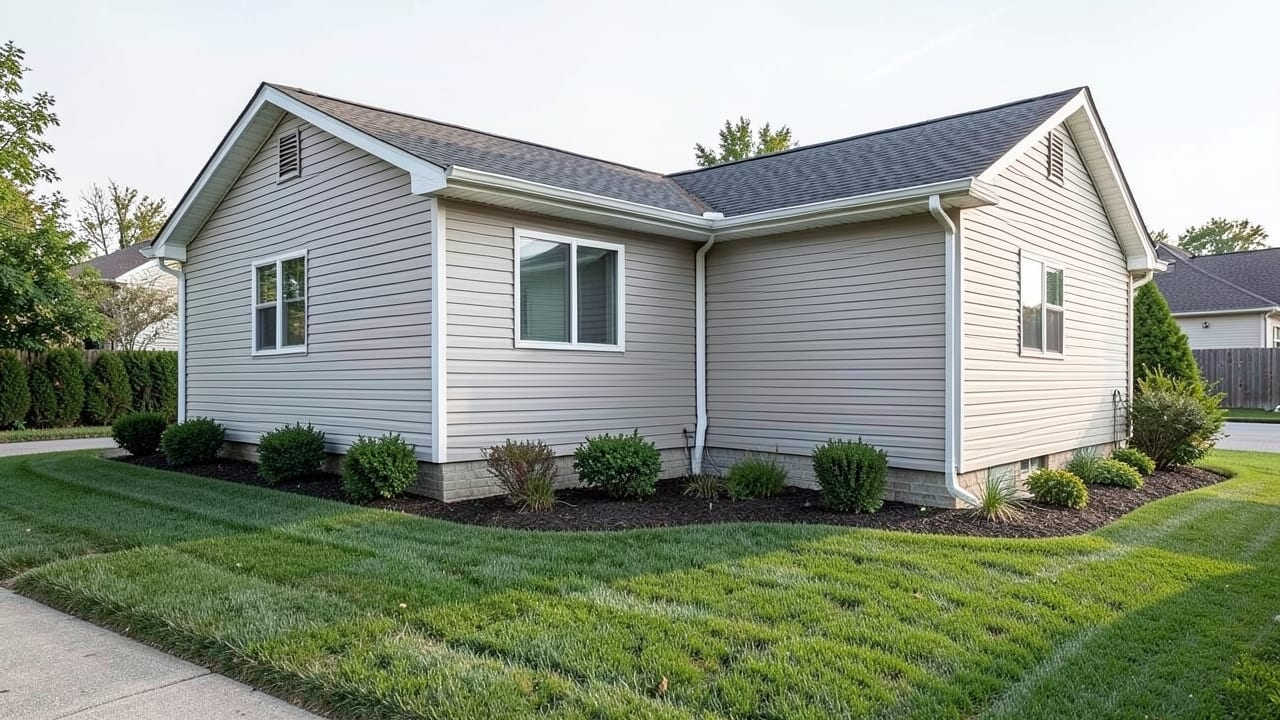
Rental Property Washing in Johns Creek, GA
High-pressure cleaning of rental property exteriors to remove dirt, grime, and mold.
Learn More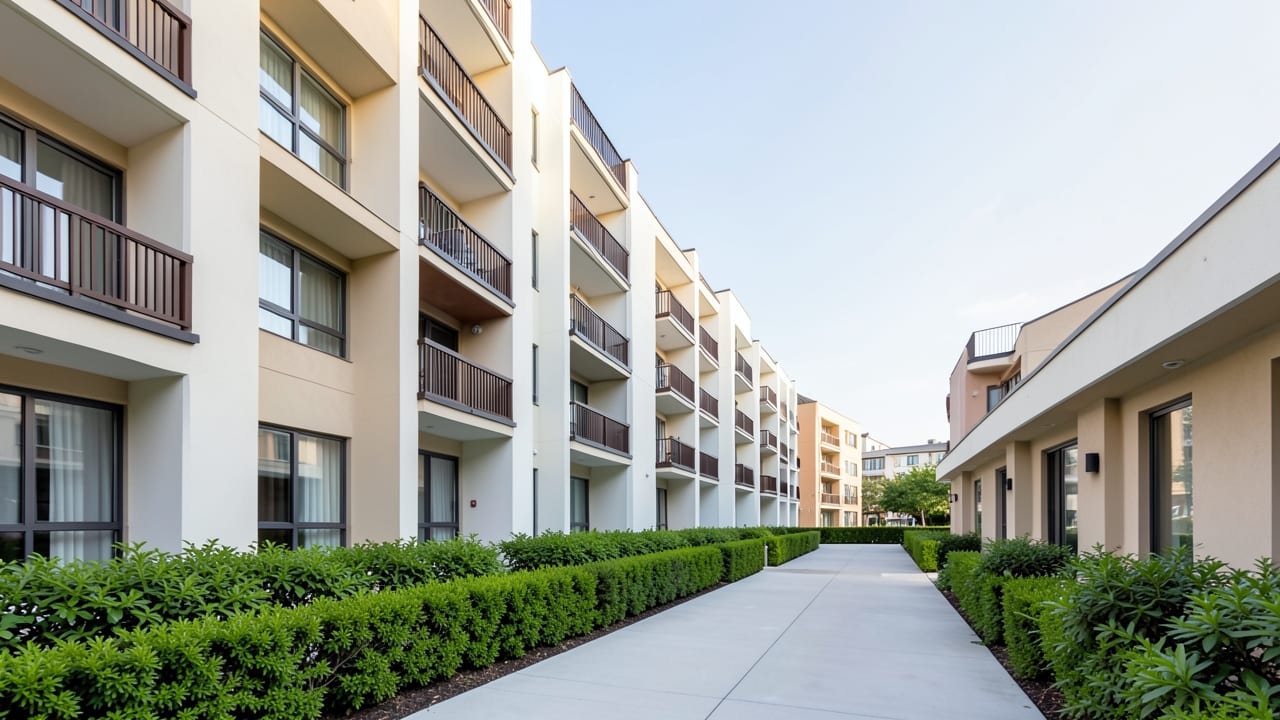
Condo Association Washing in Johns Creek, GA
High-pressure cleaning of condo association exteriors, walkways, and common areas to remove dirt and grime.
Learn More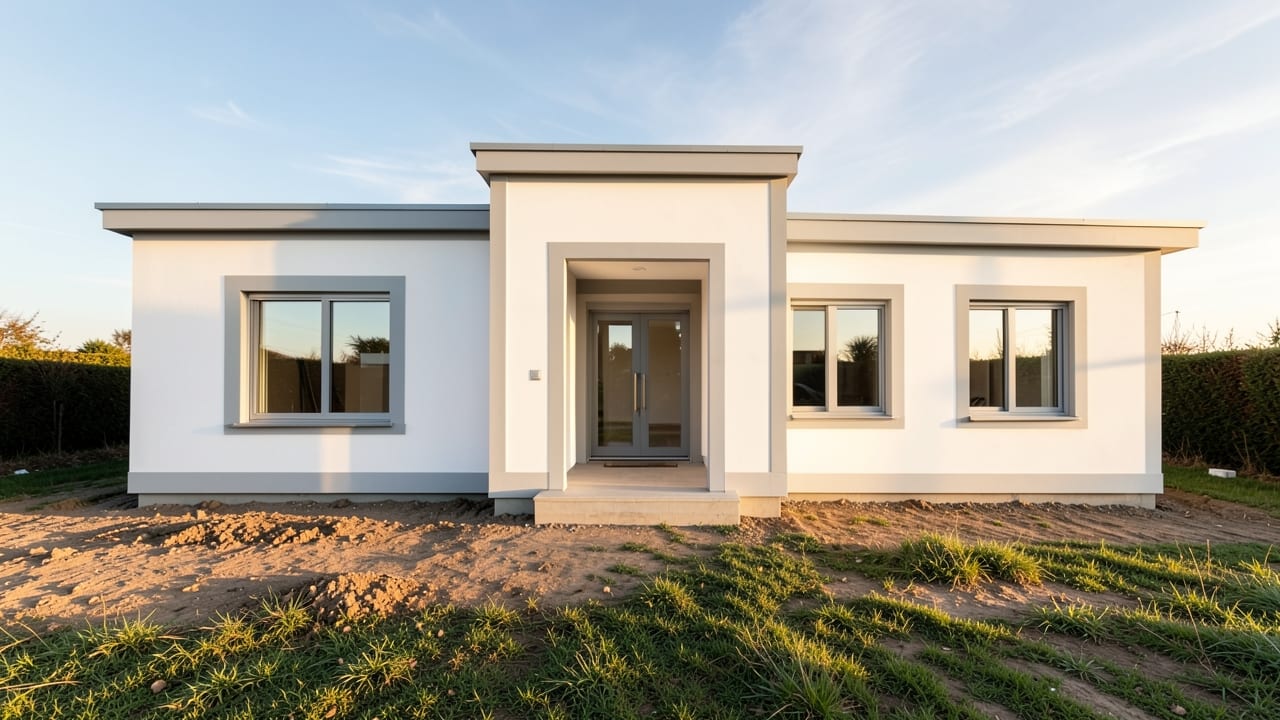
New Construction Final Clean in Johns Creek, GA
Thorough post-construction cleanup using pressure washing to remove debris, dust, and residue from new builds.
Learn More
Salt Deposit Removal in Johns Creek, GA
High-pressure washing to remove salt deposits from surfaces like driveways and sidewalks.
Learn More
Algae Treatment in Johns Creek, GA
Professional pressure washing to remove algae from exterior surfaces like roofs, siding, and driveways.
Learn More
Post-Storm Debris Cleanup in Johns Creek, GA
Removal of storm debris from properties using pressure washing equipment.
Learn MoreCommon Questions About Pressure Washing in Johns Creek
Everything you need to know about pressure washing services in Johns Creek
How much does Hard Water Stain Removal typically cost in Johns Creek, GA?
Why does algae and mildew growth on homes in Johns Creek, GA come back so quickly?
Can pressure washing damage concrete, pavers, or mortar joints?
What are the actual named steps in a professional pressure washing job?
Can the wrong PSI actually damage a house or driveway?
What's the actual difference between pressure washing and soft washing?
Need Pressure Washing in Johns Creek?
Get a written quote from our Johns Creek crew.
⏰ We answer your call • Serving all of Johns Creek and surrounding areas