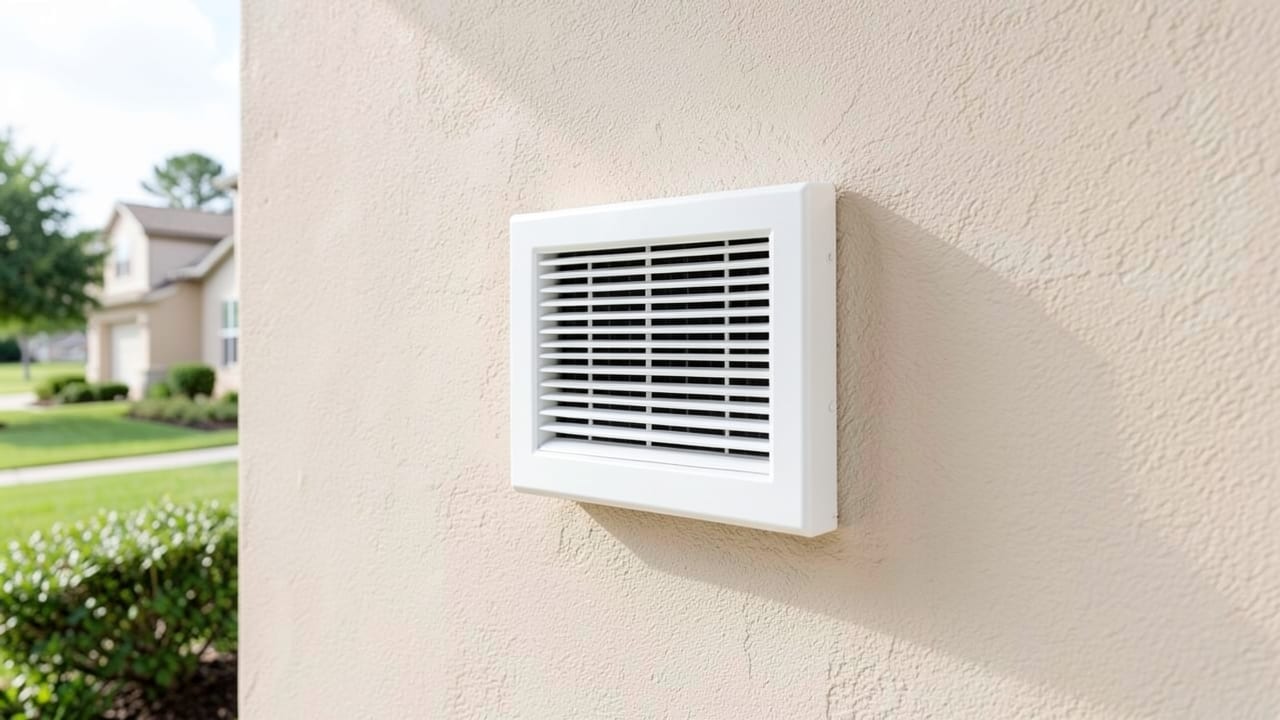
Exterior Vent Cleaning
Professional cleaning of exterior vents using pressure washing to remove dirt, debris, and blockages.
Exterior vent cleaning in Johns Creek, GA, involves using pressure washing to remove dirt, dust, and debris from dryer, bathroom, and kitchen vents on your home’s exterior. This process helps maintain proper airflow, reduce energy costs, and prevent potential hazards like mold or fire risks.
The service covers homes across Johns Creek and surrounding areas like Alpharetta, Roswell, and Duluth, ensuring thorough cleaning tailored to your home’s needs.
We also handle Apartment Complex Washing and Rental Property Washing for Johns Creek properties.
Why exterior vents need cleaning
Vents on your home’s exterior—especially dryer vents, bathroom vents, and kitchen vents—accumulate dust, lint, and debris over time. This buildup restricts airflow, forcing your HVAC or dryer to work harder, which increases energy bills and wear on equipment.
Clogged vents can also become fire hazards, particularly dryer vents, which are a leading cause of house fires due to lint buildup.
Signs your vents need cleaning include reduced airflow from vents, higher energy bills, or a musty smell near the vents. Visually, you might notice dirt or cobwebs around vent covers or increased dust in your home. Regular cleaning helps prevent these issues and keeps your home’s systems running efficiently.
Signs Your Exterior Vents Need Cleaning
- Dust or cobwebs visible around vent covers or grilles
- Reduced airflow from vents or increased noise from HVAC/dryer
- Higher energy bills due to system overwork
- Musty or stale odors near vents or in connected rooms
- Lint or debris visibly clogging the vent opening
What affects cleaning effectiveness and cost
The method used—pressure washing or soft washing—depends on the material and condition of your vents and surrounding surfaces. Pressure washing is typically used for sturdy metal vents, while soft washing with low-pressure detergents is safer for delicate or older systems.
The extent of buildup, accessibility of vents, and whether additional surfaces (like siding or gutters) need attention also influence the approach and pricing.
Pricing for exterior vent cleaning varies based on the number of vents, their location, and the level of buildup. Jobs in Johns Creek typically range depending on whether the service is standalone or bundled with other exterior cleaning tasks like siding or gutter maintenance.
Always confirm whether the quote includes pre-treatment chemicals, surface protection, and post-cleaning inspection.
| Factor | Impact on Service |
|---|---|
| Vent Material | Metal vents may require higher pressure; delicate or older vents need soft washing. |
| Buildup Level | Heavy debris increases time and may require specialized tools. |
| Vent Location | Hard-to-reach vents (e.g., roofline or under eaves) add labor time. |
| Bundled Services | Adding siding or gutter cleaning can lower per-vent costs but may extend the job. |
| Chemical Use | Detergents break down grime but must be rinsed thoroughly to avoid residue. |
Preventing future buildup
After cleaning, you can slow down future buildup by keeping vents clear of debris, such as leaves or twigs. Trim vegetation near vents to reduce moisture and dirt accumulation. For dryer vents, use a lint trap and clean it after every load.
Regularly inspect vents for signs of wear or damage, and address any issues promptly to maintain airflow and prevent hazards.
Gutters and downspouts also play a role in vent maintenance. Clogged gutters can direct water toward vents, increasing moisture and dirt buildup. Keeping gutters clean and ensuring they’re properly sloped helps protect vents and other exterior surfaces.
Trim plants within 2 feet of vents to reduce moisture and debris. Check lint traps after every dryer use and clean vents annually, especially before summer when dryer use peaks. Schedule gutter cleaning every 6–12 months to prevent overflow near vents.
How exterior vent cleaning works
Exterior vent cleaning follows a methodical process to safely remove debris while protecting surfaces and ensuring proper airflow.
- 1Inspection and Prep
The technician inspects vents for buildup, damage, or accessibility issues. Surrounding areas—like landscaping, outlets, and light fixtures—are protected with covers or bags to prevent overspray or chemical runoff.
- 2Detergent Application
A low-pressure detergent formulated for the vent material (metal, plastic, etc.) is applied to break down grease, grime, and mold. The solution dwells for several minutes to chemically loosen debris before rinsing.
- 3Pressure or Soft Washing
Vents are cleaned using either pressure washing (for sturdy materials) or soft washing (for delicate surfaces) at a safe PSI to avoid damage. The wand moves systematically to avoid missing spots or forcing water behind seams.
- 4Rinsing and Inspection
All detergent is rinsed away with clear water, and vents are checked for remaining debris or damage. The technician ensures proper airflow by testing each vent and addressing any issues before completing the job.
Frequently asked questions
How often should exterior vents be cleaned?
Exterior vents should be inspected annually, with cleaning recommended every 1–2 years or more often if you notice reduced airflow, increased dust, or musty odors. Dryer vents may need more frequent attention, especially if lint buildup is visible.
Can pressure washing damage my vents or siding?
Pressure washing is safe when done correctly, but improper technique—like using high PSI on delicate materials—can cause damage. A professional uses the right pressure and method for your vent material and surrounding surfaces to avoid harm.
Will cleaning my vents improve my home’s energy efficiency?
Yes, cleaning vents removes obstructions that force your HVAC or dryer to work harder. Improved airflow can reduce energy use by up to 15% in some cases, though results vary based on your system’s condition and other factors.
Do you clean vents on different levels of the home, like roof vents or basement vents?
Exterior vent cleaning typically focuses on accessible vents like dryer, bathroom, and kitchen vents. Roof vents or basement vents may require specialized equipment or a separate service, depending on their location and design.
Where Johns Creek sits, and what the Census lists nearby
Johns Creek sits in Georgia, and the closest places listed in the U.S. Census Gazetteer are Berkeley Lake (3.7 miles south), Duluth (3.7 miles southeast), Alpharetta (4.7 miles northwest), Peachtree Corners (4.8 miles south).
Within 25 miles of Johns Creek the same source lists 58 distinct incorporated places and census-designated places.
Those figures matter for exterior vent cleaning because they are straight-line distances between Census coordinate points: road mileage between Johns Creek and Berkeley Lake runs longer than the 3.7 miles shown, which is why quotes for the same job differ between towns that look close together on a map.
Source: U.S. Census Bureau Gazetteer.
See Peachtree Corners, GA for more, or find out about how our Johns Creek crew can help for our complete lineup.
Ready to get started?
Talk to a local pressure washing pro in Johns Creek — get a written quote.
Other Pressure Washing Services in Johns Creek
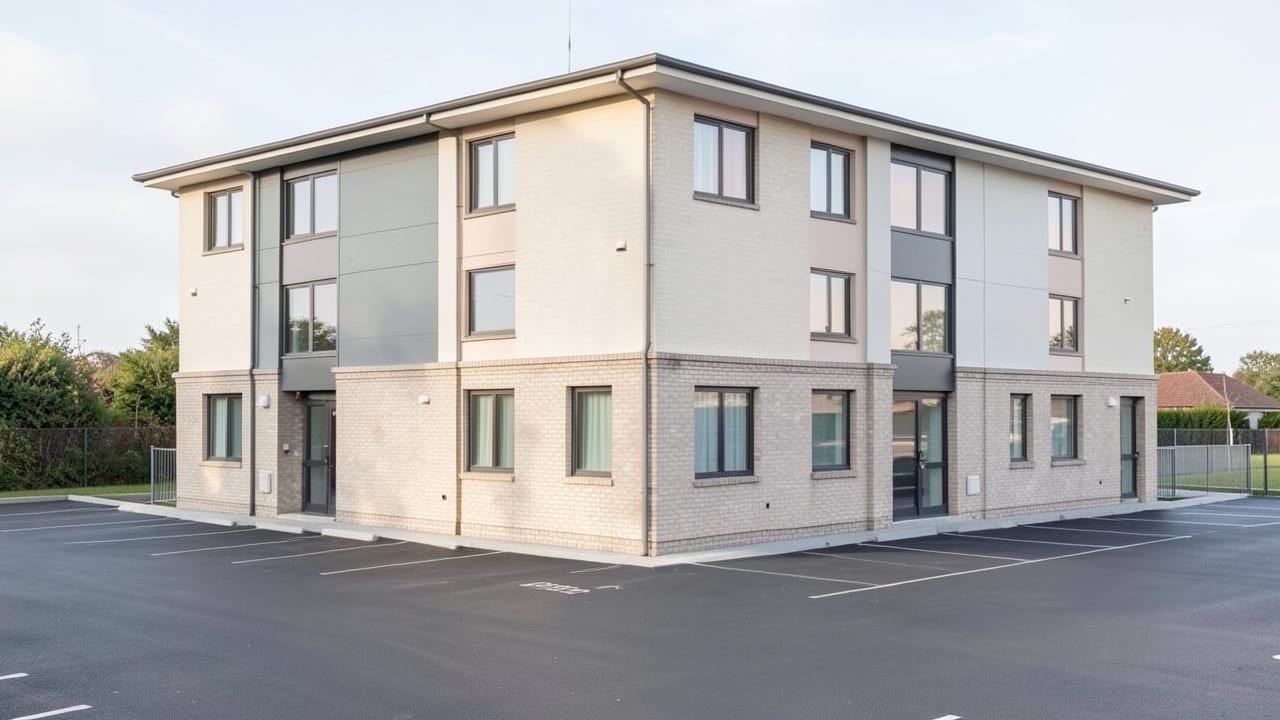
Apartment Complex Washing in Johns Creek, GA
High-pressure cleaning of apartment building exteriors, walkways, and common areas to remove dirt and grime.
Learn More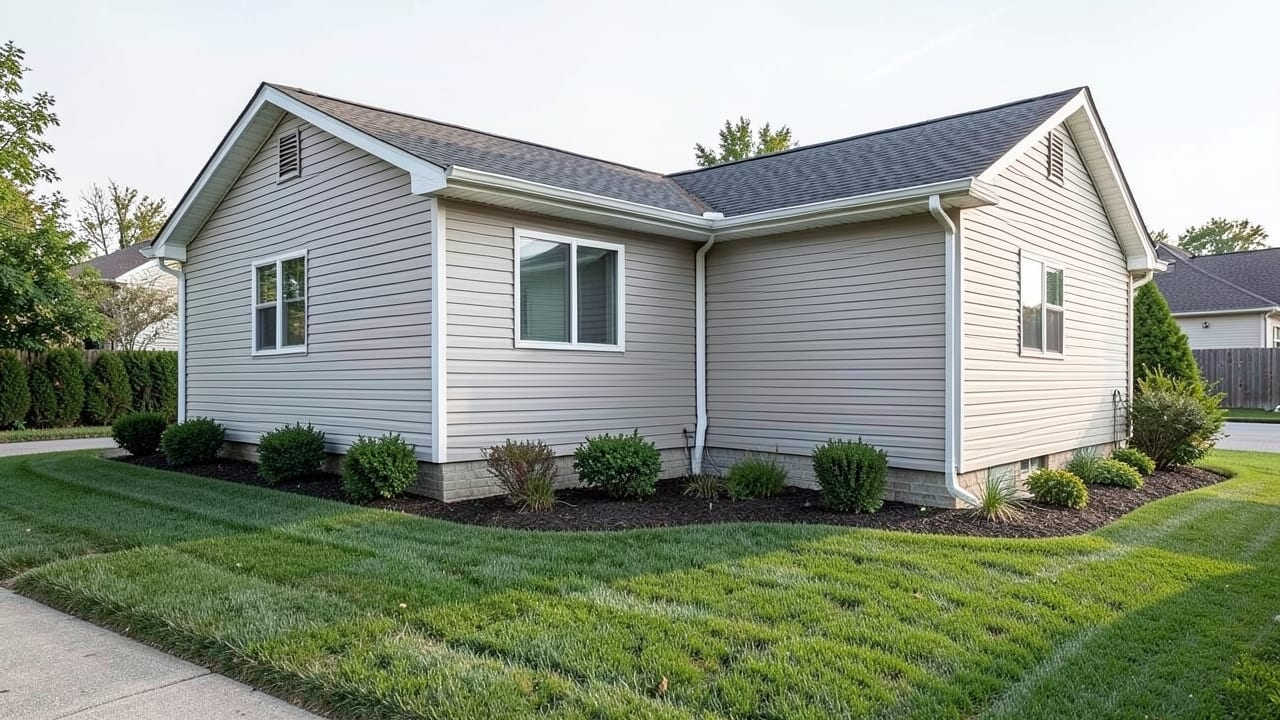
Rental Property Washing in Johns Creek, GA
High-pressure cleaning of rental property exteriors to remove dirt, grime, and mold.
Learn More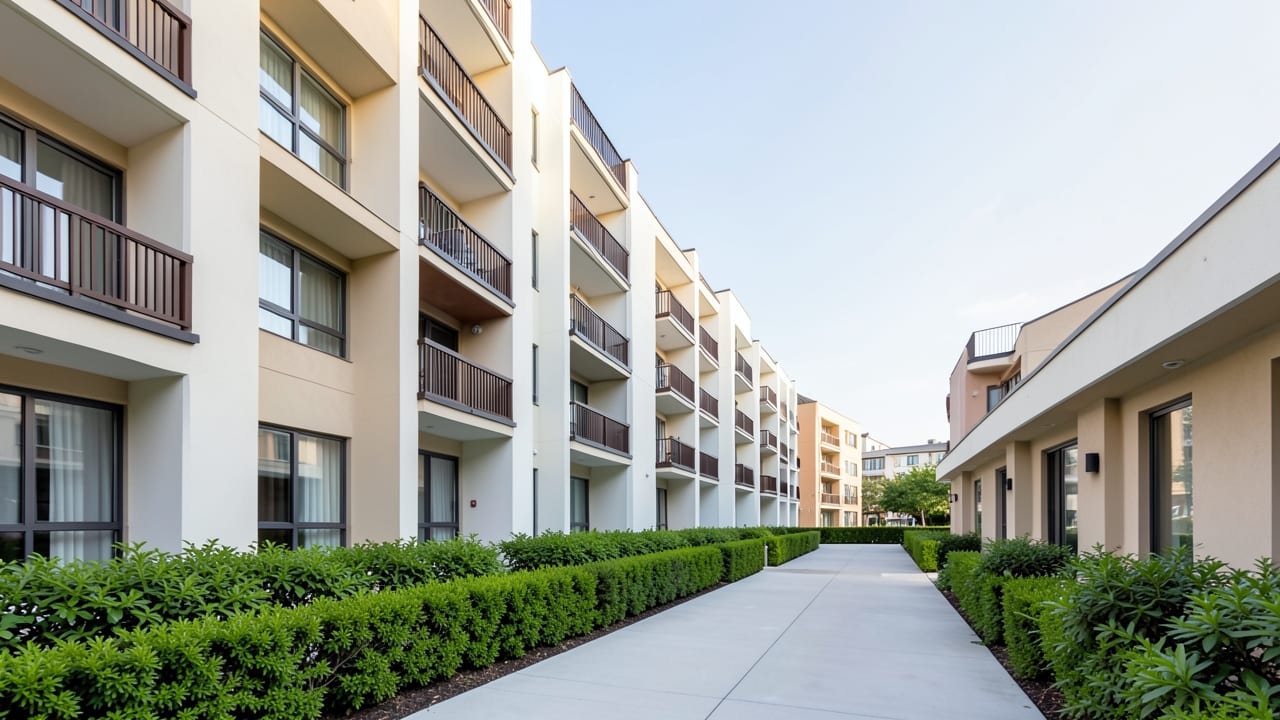
Condo Association Washing in Johns Creek, GA
High-pressure cleaning of condo association exteriors, walkways, and common areas to remove dirt and grime.
Learn More
New Construction Final Clean in Johns Creek, GA
Thorough post-construction cleanup using pressure washing to remove debris, dust, and residue from new builds.
Learn More
Hard Water Stain Removal in Johns Creek, GA
Pressure washing to remove hard water stains from exterior surfaces.
Learn More
Salt Deposit Removal in Johns Creek, GA
High-pressure washing to remove salt deposits from surfaces like driveways and sidewalks.
Learn MoreCommon Questions About Pressure Washing in Johns Creek
Everything you need to know about pressure washing services in Johns Creek
How much does Exterior Vent Cleaning typically cost in Johns Creek, GA?
Why does algae and mildew growth on homes in Johns Creek, GA come back so quickly?
How long does washing a typical house exterior take?
Can pressure washing damage concrete, pavers, or mortar joints?
What are the actual named steps in a professional pressure washing job?
Can the wrong PSI actually damage a house or driveway?
Need Pressure Washing in Johns Creek?
Get a written quote from our Johns Creek crew.
⏰ We answer your call • Serving all of Johns Creek and surrounding areas