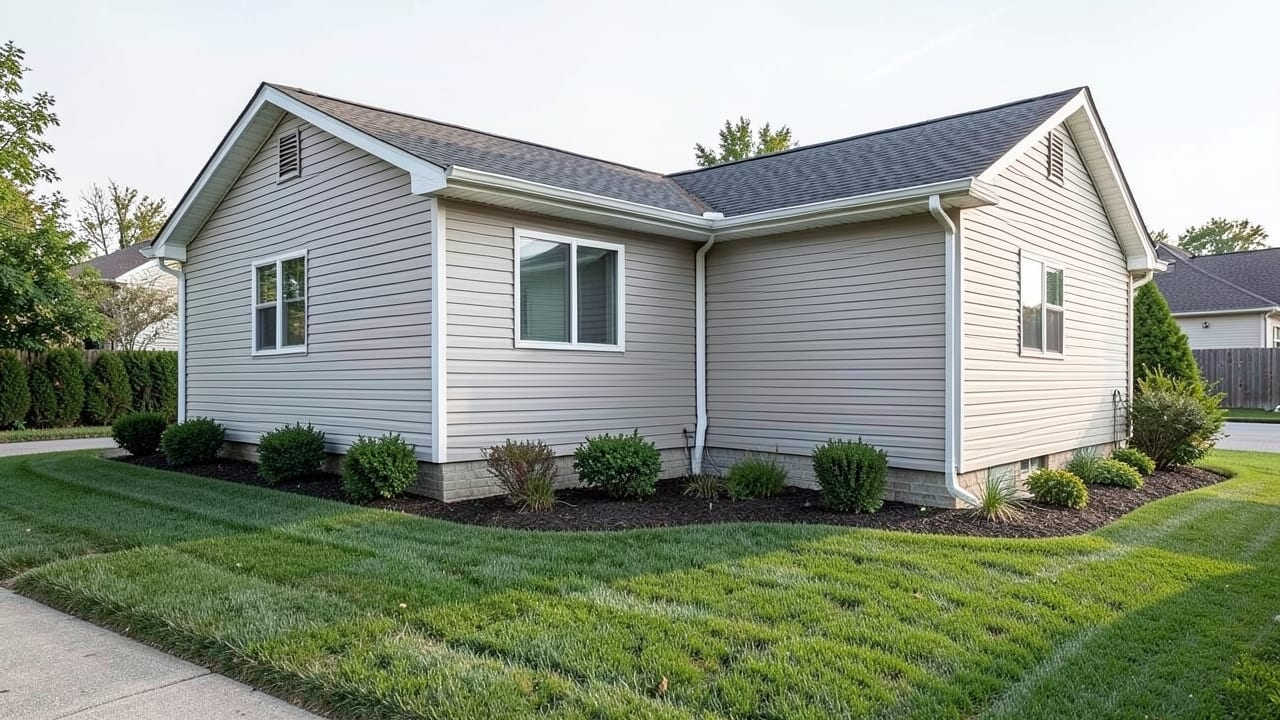
Rental Property Washing
High-pressure cleaning of rental property exteriors to remove dirt, grime, and mold.
Pressure washing your rental property in Johns Creek, GA, restores driveways, decks, and building exteriors by removing dirt, algae, mold, and stains. This service helps maintain curb appeal and property value by using controlled pressure and targeted cleaning techniques to protect surfaces and landscaping during the process.
Why pressure washing helps your property
Algae, mildew, and grime build up gradually on siding, often going unnoticed until they spread. Green or black streaking on shaded walls, a chalky residue when touched, or cobwebs in corners are clear signs cleaning is needed.
We also handle Glass Railing Cleaning and Stone Patios Cleaning for Johns Creek properties.
These issues worsen over time if left untreated, making regular maintenance key to preserving your home’s appearance.
Pressure washing targets these problems by using a combination of detergent pre-treatment and controlled water pressure. This method breaks down stains chemically before rinsing, reducing the risk of damage to delicate surfaces like vinyl or wood.
Proper technique also prevents water from being forced behind siding, which can lead to hidden mold or rot.
Signs Your Property Needs Pressure Washing
- Green or black streaks on siding, especially on north-facing or shaded walls.
- A chalky residue when running a hand across the surface (indicates oxidation or grime buildup).
- Cobwebs, dirt, or insect debris collecting in corners, under eaves, or around light fixtures.
- Uneven streaking or 'zebra striping' on light-colored vinyl siding (sign of inconsistent cleaning technique).
What affects pricing and timing?
The size of your property and the materials used—vinyl, wood, stucco, or fiber cement—play a major role in cost. Larger homes or those with multiple surfaces (driveways, decks, fences) will take longer and may require additional labor.
The condition of the surfaces also impacts the time needed, as heavier stains or mold require extra attention.
Seasonal factors can influence scheduling, as wet or extremely hot conditions may delay work. Additionally, accessibility (e.g., steep roofs, tight spaces) can add time and cost. Most providers in Johns Creek offer a per-square-foot estimate, but actual pricing varies based on these details.
Preparation and protection matter
Before any nozzle is turned on, landscaping near the foundation is wetted down and covered to protect plants. Exterior outlets, vents, and fixtures are bagged or shielded to prevent cleaning solution runoff from damaging them.
This step is critical, as overspray and chemical residue are more likely to cause complaints than the pressure washing itself.
The cleaning process begins with a detergent pre-treatment tailored to the siding material. This solution dwells on the surface to break down algae and mildew chemically, reducing the need for high pressure. The rinse is then done at low pressure (under 500 psi) to avoid streaking or damaging the material.
Directing a pressure washer wand into siding seams or up under lap edges can force water behind panels, trapping moisture and leading to mold or rot inside walls. Always use a wide-fan tip and maintain a consistent distance and speed to prevent this.
How rental property pressure washing works
A thorough pressure wash involves careful preparation, targeted cleaning, and inspection to ensure surfaces are restored safely.
- 1Pre-Treatment with Detergent
A cleaning solution formulated for your siding material (vinyl, wood, stucco, or fiber cement) is applied at low pressure. This solution dwells on the surface to chemically break down algae, mildew, and grime before rinsing.
- 2Soft-Wash Rinse at Controlled Pressure
The siding is rinsed using a wide-fan tip at under 500 psi, working top to bottom in overlapping passes. This method prevents streaking and ensures even coverage without damaging delicate surfaces.
- 3Spot Treatment for Stubborn Stains
Areas with heavy algae or mildew receive a second, more concentrated pass. Higher pressure is avoided here to prevent pushing water behind siding seams, which can cause hidden damage.
- 4Final Rinse and Inspection
A clear-water rinse removes any remaining detergent residue. The finished surface is then inspected in daylight for missed spots or signs of damage, such as lifting panels or cracked paint.
Frequently asked questions
How often should I pressure wash my rental property’s exterior?
Most surfaces benefit from a wash every 1–3 years, depending on exposure to shade, moisture, and nearby vegetation. North-facing walls or sections with overhanging branches may need attention more frequently, as these areas stay damp longer and encourage algae growth.
Will pressure washing damage my siding or roof?
When done correctly, pressure washing is designed to clean without damaging surfaces. However, using the wrong pressure setting (e.g., concrete-level PSI on siding) or technique (like aiming directly into seams) can cause cracks, splits, or water intrusion. Always confirm the provider uses material-specific methods.
What should I do if my gutters are clogged before the wash?
Clogged gutters can cause water to overflow and streak the siding below, making cleaning less effective. Clearing gutters beforehand helps the pressure wash last longer by preventing new grime from being deposited during the process.
Can I pressure wash my own property, or should I hire a professional?
DIY pressure washing can work for minor jobs, but siding and roofing require precision to avoid damage. Professionals use specialized equipment, detergents, and techniques to ensure even cleaning and protect landscaping, making them the safer choice for larger or delicate surfaces.
Where Johns Creek sits, and what the Census lists nearby
Johns Creek sits in Georgia, and the closest places listed in the U.S. Census Gazetteer are Berkeley Lake (3.7 miles south), Duluth (3.7 miles southeast), Alpharetta (4.7 miles northwest), Peachtree Corners (4.8 miles south).
Within 25 miles of Johns Creek the same source lists 58 distinct incorporated places and census-designated places.
Those figures matter for rental property washing because they are straight-line distances between Census coordinate points: road mileage between Johns Creek and Berkeley Lake runs longer than the 3.7 miles shown, which is why quotes for the same job differ between towns that look close together on a map.
Source: U.S. Census Bureau Gazetteer.
See Rest Haven, GA for more, or check out our full Johns Creek-area coverage before booking for our complete lineup.
Ready to get started?
Talk to a local pressure washing pro in Johns Creek — get a written quote.
Other Pressure Washing Services in Johns Creek

Glass Railing Cleaning in Johns Creek, GA
High-pressure cleaning to remove dirt, grime, and water spots from glass railings.
Learn More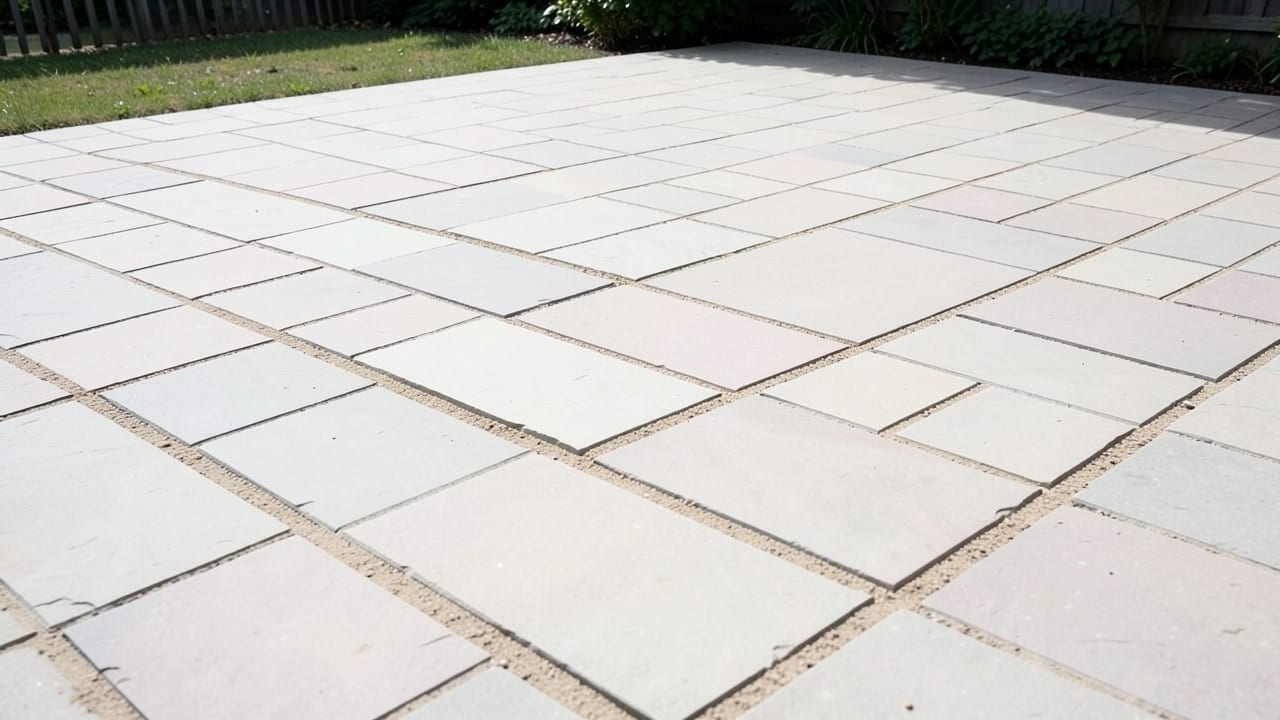
Stone Patios Cleaning in Johns Creek, GA
High-pressure washing to remove dirt, stains, and grime from stone patio surfaces.
Learn More
Vinyl Fence Cleaning in Johns Creek, GA
High-pressure cleaning to remove dirt, mold, and grime from vinyl fences, restoring their appearance.
Learn More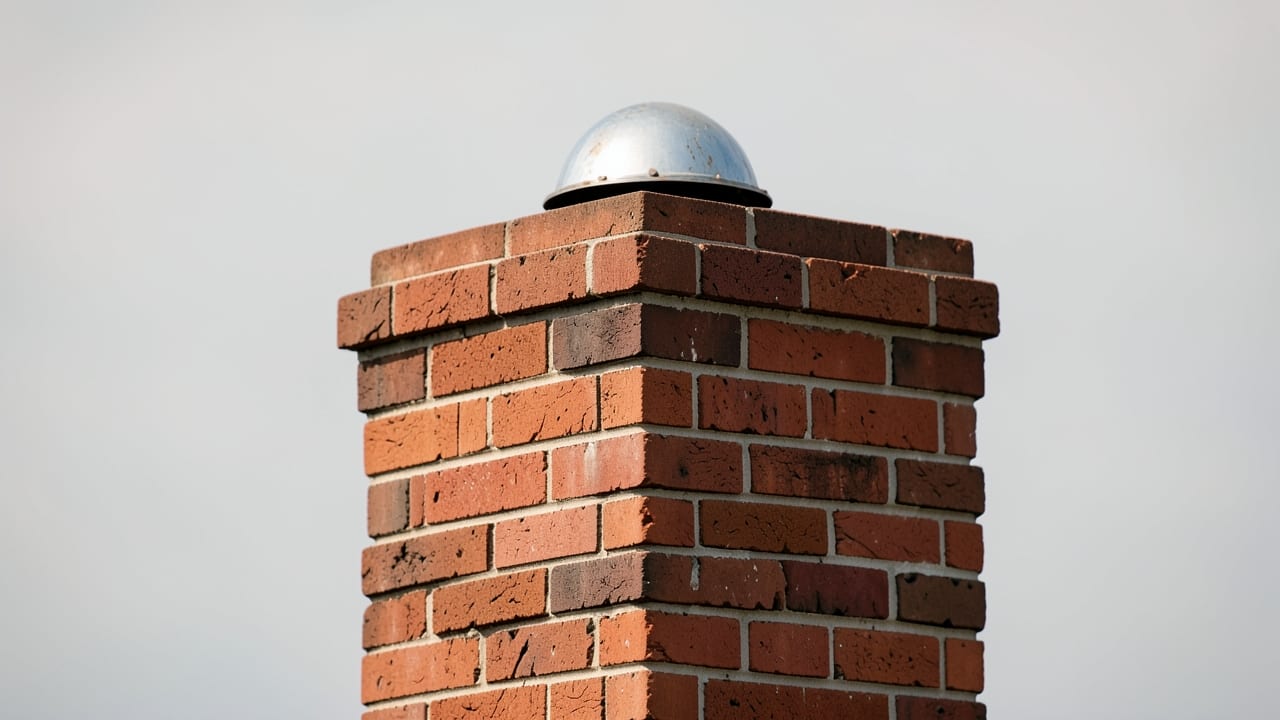
Chimney Exterior Cleaning in Johns Creek, GA
Pressure washing to remove soot, dirt, and stains from chimney exteriors.
Learn More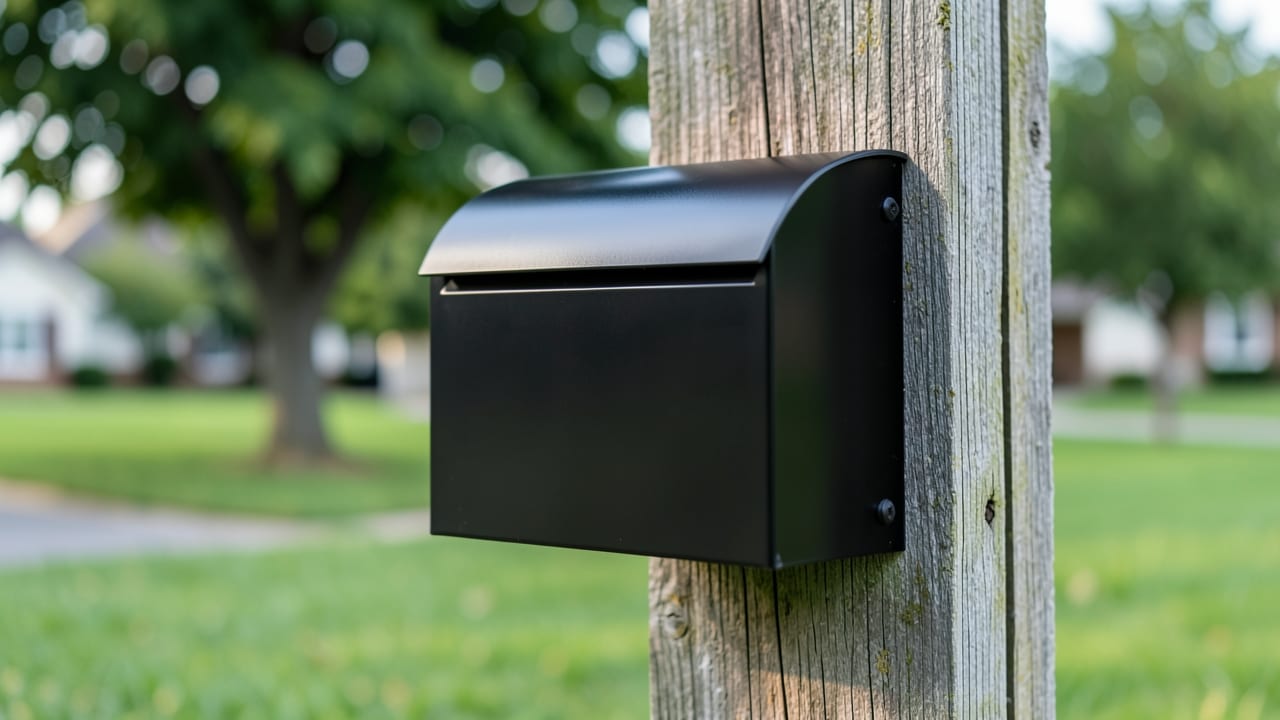
Mailbox Cleaning in Johns Creek, GA
Pressure washing to remove dirt, grime, and stains from mailboxes.
Learn More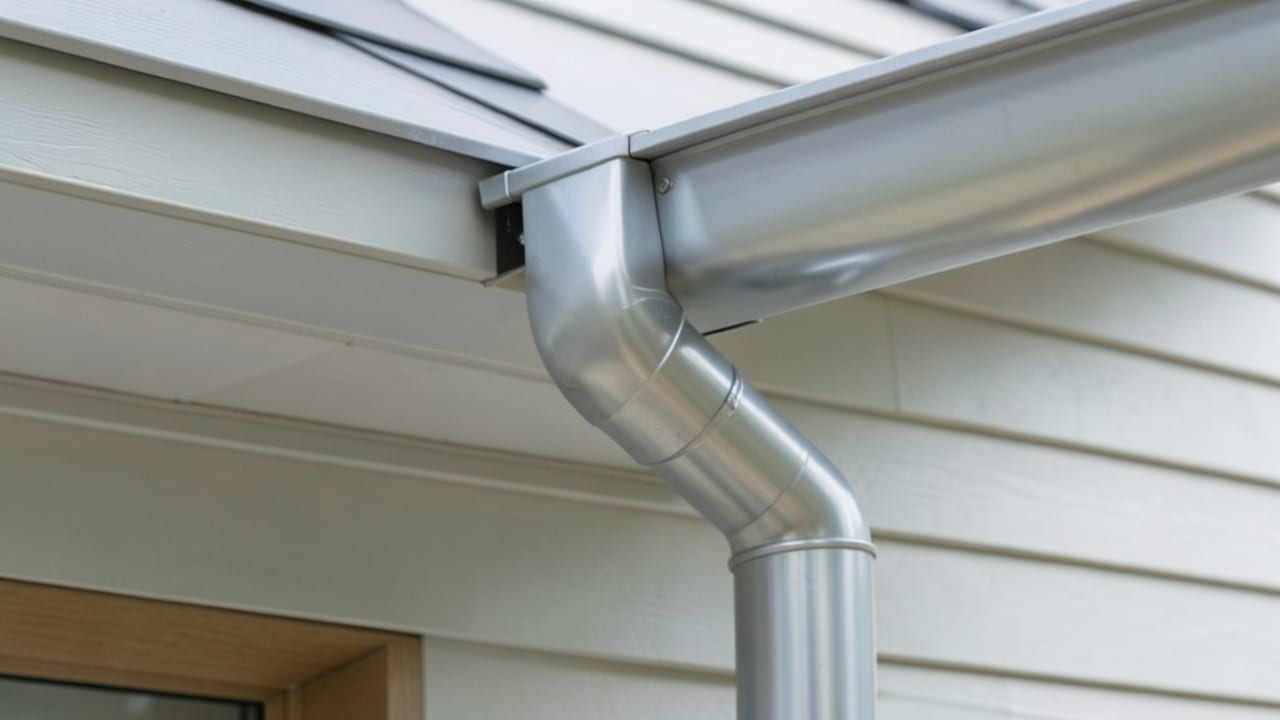
Downspout Cleaning in Johns Creek, GA
Clearing clogged downspouts to ensure proper drainage and prevent water damage.
Learn MoreCommon Questions About Pressure Washing in Johns Creek
Everything you need to know about pressure washing services in Johns Creek
How much does Rental Property Washing typically cost in Johns Creek, GA?
Why does algae and mildew growth on homes in Johns Creek, GA come back so quickly?
Can the wrong PSI actually damage a house or driveway?
What's the actual difference between pressure washing and soft washing?
How often should a home's exterior actually be washed?
Are the cleaning chemicals used in soft washing safe for landscaping and pets?
Need Pressure Washing in Johns Creek?
Get a written quote from our Johns Creek crew.
⏰ We answer your call • Serving all of Johns Creek and surrounding areas